Posts

Exploring Uganda's Scenic Road Trip Routes: A Comprehensive Guide

Introduction to Uganda's Road Trip Experience

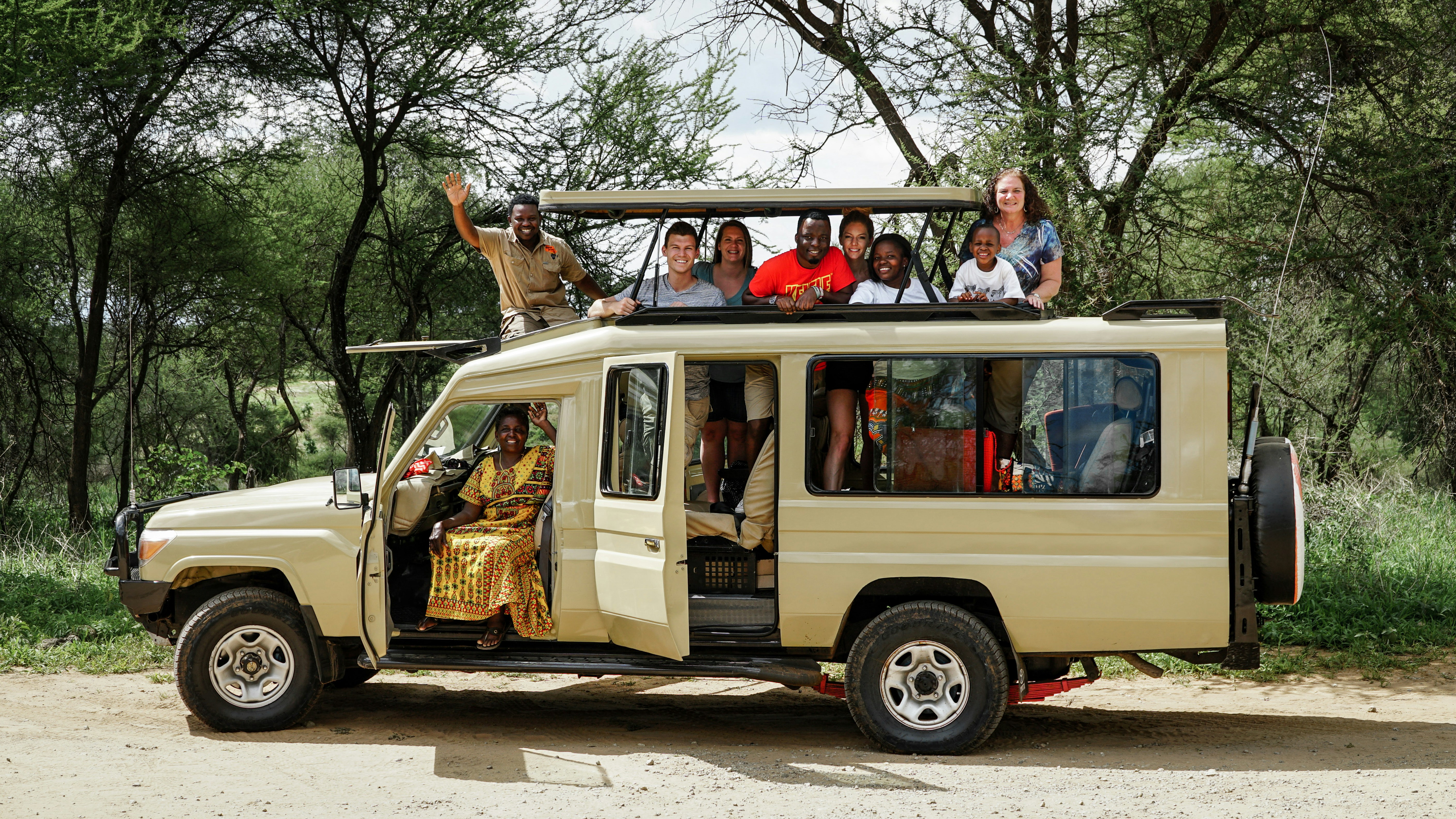
Uganda, often referred to as the "Pearl of Africa," presents an exquisite tapestry of natural beauty and rich cultural heritage, making it an enticing destination for road trip enthusiasts. Nestled in East Africa, the country beckons travelers with its diverse landscapes, ranging from lush forests and savannahs to sparkling lakes and dramatic highlands. This variety not only offers stunning vistas but also provides a unique backdrop for an unforgettable journey on the open road.

With its unique geographical features, Uganda showcases some of the most breathtaking routes ideal for scenic drives. Travelers can explore the famous Albertine Rift, winding along the shores of Lake Albert, to appreciate the serenity of its landscapes. Additionally, the iconic view of the Rwenzori Mountains, often shrouded in mystery and allure, creates a dramatic contrast against the lush plains below. Every corner of this beautiful nation reveals a new spectacle, prompting travelers to take their time and engage intimately with the environment.

Beyond the natural allure, the road trip experience in Uganda is enriched by its vibrant culture. As travelers traverse various routes, they encounter countless communities, each echoing stories of their heritage and traditions. From the bustling markets of Kampala to the quaint villages nestled in the countryside, road trippers have ample opportunity to immerse themselves in the local customs and exchanges with the welcoming Ugandan people. Such experiences are pivotal, establishing a strong connection between visitors and the land they traverse.

As adventure seekers and nature lovers embark on their journey through Uganda, they will discover that the country's scenic drives are not only routes to reach destinations but also pathways to profound experiences. The allure of Uganda's landscapes and the richness of its cultural tapestry make it a premier choice for road trips, inviting exploration, discovery, and a lasting appreciation of its wonders.

Top Scenic Road Trip Routes in Uganda

Uganda, known for its diverse landscapes and rich wildlife, offers several breathtaking road trip routes that attract both locals and tourists. One of the most popular routes is the Kampala to Jinja Highway, stretching approximately 80 kilometers. This scenic drive winds along the shores of Lake Victoria and presents stunning views of the waterfront. Travelers can stop at the Source of the Nile, where they can engage in activities such as white-water rafting or simply enjoy the serene environment. The route is best traveled during the dry seasons, which typically run from December to February and June to August.

Another remarkable journey is the road from Fort Portal to Queen Elizabeth National Park, a distance of about 90 kilometers. This route offers travelers a chance to witness the breathtaking landscapes of the Rwenzori Mountains and the beautiful crater lakes scattered throughout the region. Key attractions include the stunning views at the Queen Elizabeth National Park, renowned for its vast diversity of wildlife, including elephants, lions, and numerous bird species. It is recommended to plan the trip during the dry season to enhance wildlife visibility and accessibility to the park.

Lastly, the Lake Mburo to Mbarara Road presents a 50-kilometer route teeming with natural beauty. This route showcases Uganda's unique savannah landscapes and is home to Lake Mburo National Park, known for its impressive array of wildlife including zebras and impalas. The drive provides multiple opportunities for sampling local cuisine and shopping at vibrant markets. Travelers are encouraged to embark on this journey in the early morning or late afternoon to capture the perfect lighting for photography.

Each of these routes promises an enriching experience, revealing the stunning vistas and diverse attractions that Uganda has to offer, making them ideal for scenic road trips.

Cultural and Natural Attractions Along the Routes

Uganda is renowned for its breathtaking landscapes and rich cultural heritage, making it an exceptional destination for road trips. As travelers journey through the country's scenic routes, they encounter a diverse array of attractions that offer both natural beauty and cultural insights. One notable highlight is the iconic Bwindi Impenetrable National Park, a UNESCO World Heritage site, which is home to nearly half of the world's remaining mountain gorilla population. Visitors can embark on guided treks, which not only provide the chance to see these magnificent creatures up close but also to experience the lush, mountainous terrain that characterizes the park.

Alongside its national parks, Uganda boasts stunning lakes such as Lake Bunyonyi, often regarded as one of the most beautiful lakes in Africa. This serene location offers opportunities for canoeing and birdwatching, allowing visitors to relax while soaking in the picturesque surroundings. Additionally, local markets around the lake provide a vibrant atmosphere where travelers can interact with local artisans and sample traditional Ugandan cuisine, enriching their cultural experience.

The journey through Uganda's scenic routes also allows for meaningful engagement with indigenous communities. Many tourists opt to visit local villages, which often offer cultural performances, craft workshops, and storytelling sessions that bring the rich traditions of the Ugandan people to life. Such interactions foster a deep understanding of the culture and history that shape the nation, making these experiences invaluable to the overall road trip.

In essence, exploring cultural and natural attractions enhances the road trip, offering travelers a chance to appreciate Uganda's ecological diversity while immersing themselves in its vibrant cultures. The combination of wildlife encounters, stunning landscapes, and community engagement creates a multifaceted journey that is both enriching and memorable.

Planning Your Road Trip in Uganda

Embarking on a road trip in Uganda offers a unique opportunity to explore the breathtaking landscapes and vibrant culture of the country. To ensure a memorable experience, careful planning is essential. Begin by considering vehicle rental options, as this will significantly impact your journey. Numerous rental agencies in major cities like Kampala provide a range of vehicles suitable for both urban driving and off-road adventures. Opt for a 4x4 vehicle if you plan to navigate rural areas or national parks, as the roads can be uneven or unpaved.

Understanding Road Conditions and Safety

Before setting out, it is crucial to familiarize yourself with the road conditions in Uganda. While major highways are generally in good condition, rural roads may present challenges. Drive cautiously and be aware of other road users, including pedestrians and cyclists. Night driving is not recommended due to limited visibility and the potential for wildlife crossings. Additionally, safety precautions should not be overlooked. Always keep your windows up and doors locked while driving, especially in urban areas. Carry a first aid kit and familiarize yourself with emergency contacts in case of unforeseen circumstances.

Engaging with Local Culture

To enhance your road trip experience, engage with local customs and etiquette. Be respectful of local traditions and practice basic greetings in Luganda or other local languages. This not only paves the way for meaningful interactions but also enriches your understanding of the cultural landscape as you travel. Furthermore, consider packing light with essentials, including clothing suitable for varying weather conditions, comfortable footwear for walking and hiking, and a reusable water bottle to stay hydrated.

Itinerary Planning for Exploration

When planning your itinerary, allow flexibility to explore spontaneous opportunities. Research key attractions, such as national parks and cultural sites, and create a rough schedule. However, avoid overloading your day with activities, as this can lead to fatigue and diminish your overall experience. By incorporating time for rest and exploration, you will maximize your enjoyment and create lasting memories of your road trip in Uganda.

 The Ultimate Guide to Uganda's Top Natural Attractions for Nature Lovers

Exploring Uganda's Diverse Ecosystems

Uganda is renowned for its stunning biodiversity, making it a prime destination for nature enthusiasts. The country's varied ecosystems, which include expansive rainforests, breathtaking savannahs, rich wetlands, and the majestic alpine regions, create unique habitats that support a wide array of flora and fauna. Each ecosystem offers distinct opportunities for wildlife observation, ensuring that visitors can connect deeply with nature.

One notable ecosystem is the Bwindi Impenetrable National Park, a UNESCO World Heritage Site that is home to half of the world's remaining mountain gorilla population. The dense rainforests provide an ideal habitat for these majestic creatures, as well as numerous other species, including the elusive golden monkey and an array of birds, butterflies, and plants that are endemic to the region. Hiking through the challenging terrain not only offers the thrill of gorilla trekking but also a chance to appreciate the park's remarkable plant life and ecological diversity.

Further to the west lies Queen Elizabeth National Park, famous for its volcanic landscape interspersed with lakes, including the iconic Lake George and Lake Edward. This savannah ecosystem supports an impressive variety of wildlife, including elephants, hippos, and over 600 bird species, making it a paradise for birdwatchers. The park's unique features, such as the Ishasha Sector, known for its tree-climbing lions, enhance the safari experience and showcase the dynamic interactions within this diverse habitat.

Lastly, the Rwenzori Mountains present another unique ecological zone, often referred to as the "Mountains of the Moon." This region features lush biodiversity, including unique plant species like the giant lobelia and groundsels, which thrive in the montane atmosphere. The crystal-clear rivers and valleys are also home to various animal species, making the Rwenzori a breathtaking destination for hikers and nature lovers alike.

Collectively, these ecosystems not only highlight the remarkable biodiversity of Uganda but also underscore why the country is considered a haven for those passionate about nature and wildlife. Each visit reveals yet another layer of this enchanting landscape, encouraging explorers to immerse themselves in Uganda's rich natural heritage.

Top Natural Attractions to Experience

Uganda is endowed with a variety of stunning natural attractions that cater to nature enthusiasts. One of the most notable is Murchison Falls National Park, which is renowned for its majestic waterfalls. The park's namesake, Murchison Falls, is where the Nile River dramatically plunges through a narrow gorge. Visitors can enjoy boat cruises along the Nile, providing ample opportunities to spot wildlife such as hippos, crocodiles, and a range of birds. A trek to the top of the falls offers breathtaking views and a chance to appreciate the raw power of nature.

Another exceptional destination is Lake Bunyonyi, often cited as one of Africa’s most beautiful lakes. Decorated with numerous islands, this tranquil setting is perfect for canoeing, swimming, and exploring its rich birdlife, which includes the elusive shoebill stork. For those who prefer a more leisurely experience, hiking trails around the lake provide stunning vistas and opportunity to engage with local communities through cultural interactions.

The Source of the Nile is a historical landmark that draws visitors eager to witness where the world’s longest river begins its journey. Located at Jinja, this area is ideal for adrenaline-seekers, offering activities like white-water rafting and kayaking. Additionally, scenic boat rides on the river reveal lush landscapes and rich biodiversity, enhancing its appeal as a nature lover's paradise.

Finally, Chimpanzee tracking in Kibale National Park offers a unique chance to observe these fascinating primates in their natural habitat. With over 1,500 chimpanzees, Kibale is a top spot for primate enthusiasts. Guided walks lead visitors through lush forests where they can witness the social behaviors of chimpanzees while also encountering an array of other species, including colorful birds and other primates. This immersive experience not only creates lasting memories but also contributes to the conservation efforts within the park.

Best Time to Visit and How to Prepare

When planning a visit to Uganda, particularly for nature-based activities, understanding the seasonal variations can significantly enhance the experience. Uganda's climate is characterized by two main rainy seasons: the long rains from March to May and the short rains from October to November. The dry seasons, typically from June to September and December to February, are generally regarded as the best times to observe wildlife. During these months, animals tend to congregate near water sources, allowing for optimal viewing opportunities.

The peak tourist season, which occurs from June to September, offers the best conditions for activities such as gorilla trekking, bird watching, and wildlife safaris. However, this influx can also lead to more crowded national parks and increased accommodation costs. The months of April and November, while they can be wetter, often see fewer visitors and can provide a more intimate experience with Uganda's natural beauty, though travelers should be prepared for potentially muddy trails and limited accessibility in some areas.

Preparing for a trip to Uganda requires attention to several essential factors. First, appropriate gear is crucial; lightweight, moisture-wicking clothing, sturdy walking shoes, and waterproof outer layers are highly recommended. Additionally, packing binoculars and a good camera ensures you capture the stunning flora and fauna. Health precautions are not to be overlooked, as necessary vaccinations, such as those for yellow fever and others based on personal medical history, should be arranged well in advance.

Cultural considerations are equally important; travelers should familiarize themselves with local customs and etiquette to foster respectful interactions with communities. Engaging with local guides can enhance the understanding of the surrounding natural environment and its significance to the culture. Ultimately, the combination of thorough preparation and awareness of seasonal changes will ensure a rewarding experience amid Uganda’s breathtaking natural attractions.

Conservation Efforts and Responsible Tourism

Uganda is renowned for its rich biodiversity and unique natural resources, making conservation efforts imperative for the protection of its ecosystems and wildlife. The country is home to numerous national parks and protected areas that safeguard a wide array of species, including the critically endangered mountain gorillas of Bwindi Impenetrable National Park. Ongoing conservation initiatives aim to combat threats such as habitat destruction, poaching, and climate change, which all pose significant risks to Uganda's environment and wildlife.

Responsible tourism plays a crucial role in supporting these conservation efforts. When tourists visit Uganda, they help generate revenue that can be reinvested into wildlife protection and habitat restoration projects. Numerous local organizations are dedicated to this cause, and they often collaborate with the tourism sector to create sustainable practices. Organizations like the Uganda Wildlife Authority (UWA) and the Bwindi Conservation Trust are at the forefront, employing various strategies that not only preserve wildlife but also foster community involvement in conservation.

Travelers can engage positively with these initiatives in several ways. First, choosing eco-friendly accommodations that prioritize responsible tourism is paramount. Such establishments often implement practices that reduce waste, conserve water, and promote local culture. Furthermore, participating in community-based tourism projects allows visitors to support local livelihoods while gaining an authentic experience. Activities such as guided nature walks with local conservationists or participating in tree planting projects contribute meaningfully to environmental stewardship.

By incorporating these principles into travel plans, visitors to Uganda can help ensure that natural attractions remain preserved for future generations. This sustainable approach not only enhances the travel experience but also deepens the connection between tourists and the breathtaking landscapes and wildlife that define Uganda's natural heritage.

 The Best Hiking Trails in Uganda: A Guide to Uganda's Top Hiking Trails, Including Mount Rwenzori and Mount Elgon

Introduction to Hiking in Uganda

Uganda, often referred to as the "Pearl of Africa," is renowned for its stunning landscapes and diverse ecosystems, making it a premier destination for hiking enthusiasts. The country's varied topography ranges from the mountainous regions in the west to the expansive savannahs in the east, providing an array of hiking trails suited for all levels of hikers. Among the most notable hiking spots are the prominent Rwenzori and Elgon mountains, each offering unique challenges and breathtaking views.

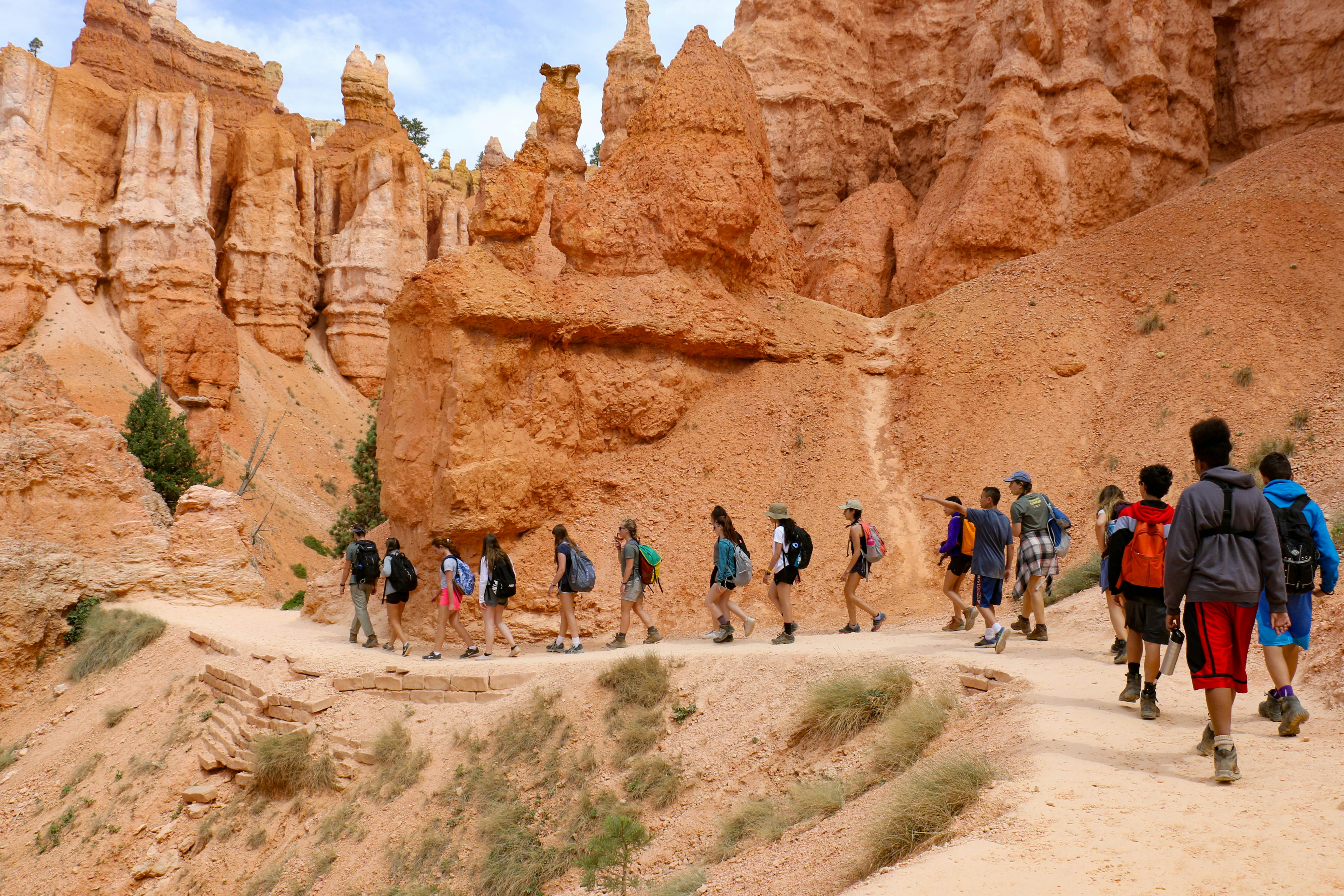
The Rwenzori Mountain National Park, a UNESCO World Heritage site, is home to Africa’s third-highest mountain range and is famed for its glacier-capped peaks and lush vegetation. Hikers can immerse themselves in the beauty of the rich flora and fauna, exploring trails that vary in difficulty. On the other hand, Mount Elgon, which lies on the border between Uganda and Kenya, boasts an extinct volcano with extensive caves and waterfalls, making it a captivating hiking experience. Here, hikers can explore well-marked paths dotted with spectacular viewpoints.

Aside from these prominent areas, Uganda features numerous national parks and protected areas that offer additional hiking opportunities. Parks such as Bwindi Impenetrable National Park and Mgahinga Gorilla National Park not only highlight the incredible biodiversity of the region but also provide trails that lead to encounters with mountain gorillas, further enhancing the experience for adventurers.

As outdoor exploration becomes increasingly popular, it is vital for hikers to engage in responsible hiking practices. This includes adhering to designated trails, minimizing environmental impact, and respecting wildlife habitats. With proper care, hikers can enjoy the majestic beauty of Uganda's landscape while preserving it for future generations. The blend of adventure and conservation creates a unique hiking culture that embodies the spirit of Uganda.

Exploring Mount Rwenzori: The Mystical Mountains of the Moon

Mount Rwenzori, often referred to as the "Mountains of the Moon," is a hiking destination that offers a truly immersive experience, combining breathtaking scenery with rich biodiversity. This majestic range boasts several trails, each providing distinct experiences and challenges for hikers of all levels. The most popular route, the Central Circuit, offers a comprehensive tour of the mountain’s unique landscapes, leading adventurers through diverse ecosystems ranging from lush forests to alpine meadows.

On the other hand, the Kilembe Trail presents a more direct ascent to the heights of Mount Rwenzori, making it an excellent choice for those looking for a quicker trek. This trail gives hikers a taste of the mountain's intricate ecosystems, featuring endemic plant species such as the fascinating Giant Lobelia and various other flora that thrive in the unique environment. Wildlife enthusiasts may spot rare animals, including the elusive Rwenzori colobus monkeys and various bird species endemic to the region.

However, it is crucial to prepare adequately for the altitude challenges that Mount Rwenzori presents. Hikers can experience altitude sickness, especially as they ascend above 3,000 meters. It is recommended to allow for acclimatization days during the trek to help minimize these risks. Hydration, gradual ascent, and awareness of one's body signals are essential components of a successful hike in this region.

For seasoned hikers, navigating through Mount Rwenzori can be an exhilarating experience, offering opportunities for technical climbing and rugged terrain. Beginners may find joy in the simpler trails yet should ensure they are physically prepared and equipped for the unpredictable weather conditions inherent to the area. Overall, the enchanting beauty and diverse offerings of Mount Rwenzori make it a must-explore destination for hiking enthusiasts seeking adventure amidst nature's grandeur.

Adventure Awaits at Mount Elgon: Uganda’s Hidden Gem

Mount Elgon, located on the border between Uganda and Kenya, is a captivating hiking destination that offers an array of trails distinguished by their breathtaking scenery and unique volcanic landscapes. The two most popular routes for hikers are the Sasa and Sipi Trails, each presenting a distinct experience steeped in natural beauty. The Sasa Trail, known for its steep ascent, leads adventurers through lush montane rainforest, where the chances of encountering diverse wildlife are high. This trail culminates at the caldera, providing panoramic views that are both rewarding and exhilarating.

In contrast, the Sipi Trail is celebrated for its more gradual incline and striking vistas, making it suitable for hikers of varying skill levels. The Sipi Falls, a series of majestic waterfalls along this route, adds a refreshing element to the journey, appealing not only to avid hikers but also to photography enthusiasts. During the ascent, visitors may encounter several unique species of flora and fauna endemic to the region, showcasing Mount Elgon's rich biodiversity. Each hike not only promotes physical well-being but also creates an opportunity for cultural interaction with local communities, allowing travelers to immerse themselves in the traditions and hospitality of the Bagisu people.

The ideal time to embark on a hiking adventure at Mount Elgon is during the dry seasons, specifically from June to August and December to February, when trails are more accessible and weather conditions are generally favorable. Obtaining a hiking permit is essential, as it helps in supporting conservation efforts and ensuring the trails' upkeep. It is advisable to prioritize safety by hiring a knowledgeable guide, which enhances the overall experience while navigating the diverse terrains and navigating potential challenges on the trails.

Essential Tips for Hiking in Uganda

When preparing for a hiking adventure in Uganda, several essential tips can enhance your experience. First and foremost, selecting the right gear is critical. Invest in durable, lightweight hiking boots, moisture-wicking clothing, and a reliable rain jacket, as weather conditions can change rapidly in Uganda's mountainous regions. A good backpack equipped with a hydration reservoir or water bottles will ensure you remain hydrated during your hikes.

Hydration is paramount, especially when trekking in high-altitude areas like Mount Rwenzori and Mount Elgon. Carry sufficient water and use purification tablets or a filter to ensure its safety. It's advised to drink water regularly, even if you do not feel thirsty. Additionally, consider packing energy snacks such as nuts, dried fruits, or energy bars to maintain your energy levels on the trail.

Respect for wildlife is crucial during your hikes. Always maintain a safe distance from animals and refrain from feeding them, as this can alter their natural behaviors. Many trails lead through communities where hiring local guides is highly beneficial; they possess in-depth knowledge of the terrain and its wildlife and can offer insights into the cultural significance of the areas you visit. Furthermore, engaging with local guides supports the economy and promotes sustainable tourism.

Cultural etiquette is fundamental when hiking through regions inhabited by various communities. Familiarize yourself with local customs, greetings, and behaviors to foster positive interactions. A smile and a simple "hello" in the local language can go a long way in building rapport.

Timing your hike is also important; the best seasons for hiking in Uganda are typically during the dry months, from December to February and June to August, which offer more stable weather. Lastly, numerous resources, such as hiking clubs or local tourism boards, can assist with trip planning, ensuring you have updated trail maps and information about weather conditions.

 Exploring the Wonders of Lake Victoria: A Comprehensive Guide

Introduction to Lake Victoria

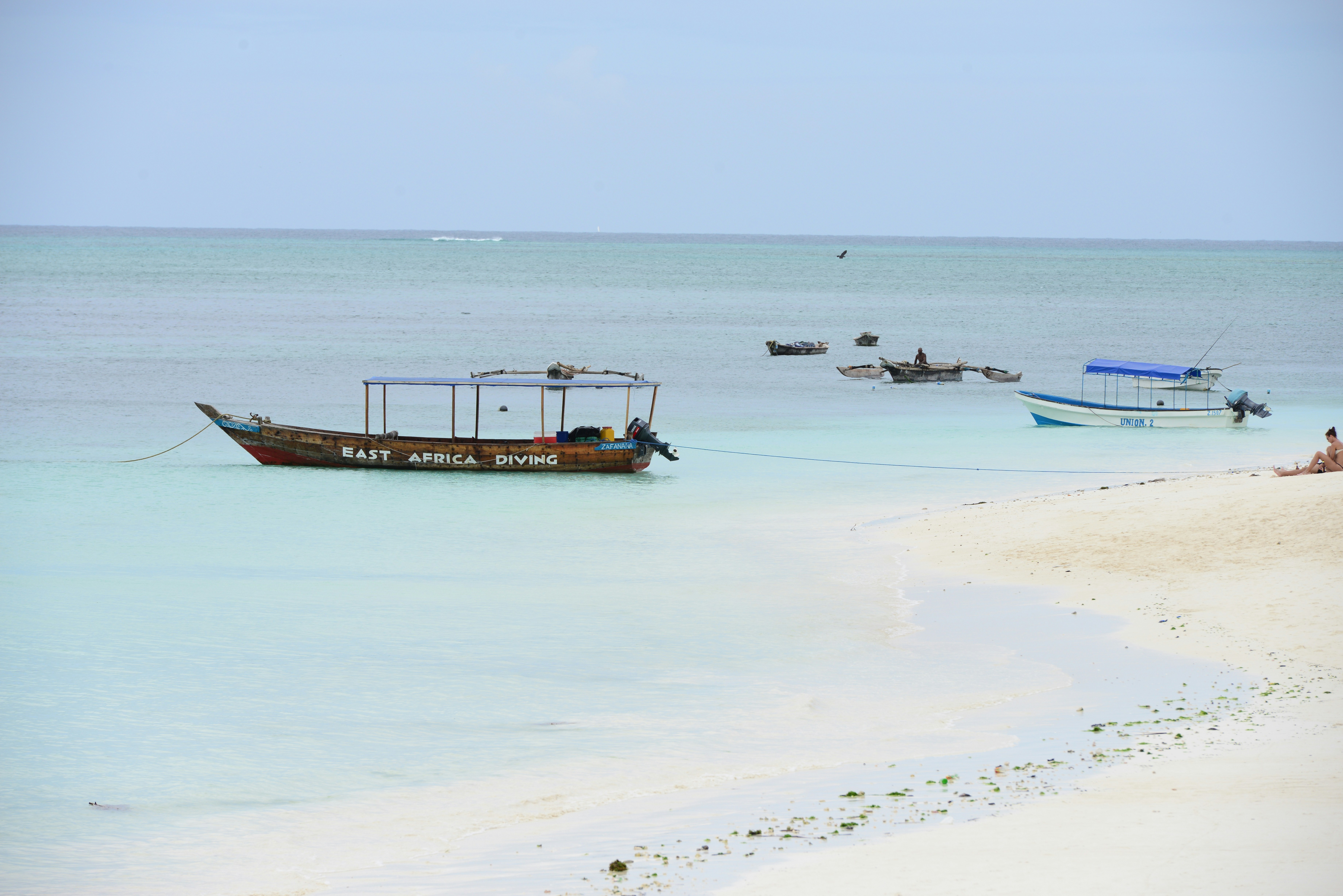
Lake Victoria, located in East Africa, is renowned as one of the largest freshwater lakes in the world. Spanning approximately 68,800 square kilometers, it is bordered by three countries: Uganda to the north, Kenya to the southwest, and Tanzania to the south. This expansive body of water plays a crucial role not only as a vital resource for the surrounding communities but also as a significant ecological reservoir. Lake Victoria is essential for sustaining various livelihoods, serving as a primary source of fish, water supply, and transport for millions.

The lake's geographical significance is underscored by its elevation at around 1,134 meters above sea level, making it the second-highest of Africa's great lakes. The watershed of Lake Victoria encompasses diverse landscapes, from wetlands and marshes to forests and hills. This diversity has fostered rich ecological varieties, supporting an impressive array of wildlife. Endemic species like the Nile perch and vibrant cichlids exemplify the lake’s unique biological heritage. Additionally, the lake's surrounding areas provide habitat for numerous bird species, attracting ornithologists and nature enthusiasts alike.

Culturally, Lake Victoria is deeply woven into the fabric of life for the local communities. Various ethnic groups such as the Baganda, Basoga, and Sukuma depend on the lake for fishing and agriculture, which are important not only for subsistence but also for the local economy. The traditions and practices associated with Lake Victoria reflect a deep respect for this natural resource, which is both a source of life and a vital cultural symbol. As such, the lake stands as a testament to the interconnectedness of ecological health and human well-being. Understanding the significance of Lake Victoria is crucial for appreciating its role in sustaining the environment and the communities that thrive around it.

Water Sports Activities on Lake Victoria

Lake Victoria, known for its stunning beauty and vibrant ecosystem, offers numerous water sports activities that cater to both enthusiasts and beginners. The vast expanse of the lake provides an excellent backdrop for thrilling adventures such as kayaking, windsurfing, and sailing. Each of these activities presents a unique way to experience the lake's breathtaking scenery while also enjoying the thrill of water sports.

Kayaking is particularly popular due to its accessibility and ease of learning. Various sports centers around the lake, such as the Jinja Sailing Club in Uganda and the Speke Resort in Munyonyo, offer kayak rentals and guided tours. The best time to engage in kayaking is during the dry season from June to August, when the weather is mild and the water conditions are favorable. For safety, it is advisable to wear life jackets, stay away from busy boat lanes, and always check weather forecasts before heading out.

Windsurfing, on the other hand, requires a bit more skill but rewards participants with an exhilarating experience. The ideal spots for windsurfing include the northern shores of Lake Victoria, where strong winds create perfect conditions. Numerous instructors are available for lessons at established centers, such as the Watersports Centre in Kisumu. The peak wind season falls between October and March, making it the best time to explore this thrilling sport. Participants should ensure proper maintenance of their gear and wear safety equipment to prevent accidents.

Sailing is another popular activity that allows participants to appreciate the tranquility of Lake Victoria while harnessing the power of the wind. Sailing schools at various resorts provide training for all skill levels, with popular locations including the Sail Uganda center. The recommended period for sailing is from December to March, when the winds are consistent. Safety precautions, such as ensuring the boat is equipped with flotation devices and registering your trip before setting out, are essential for a safe sailing experience.

To enjoy these water sports fully, appropriate gear such as life jackets, paddles, and sails should be rented from local service providers. As Lake Victoria continues to attract water sports enthusiasts, it is important for participants to not only relish the adventure but also to prioritize safety and environmental awareness while engaging in these activities.

Fishing Adventures: Tips and Techniques

Lake Victoria, renowned for its vastness and biodiversity, is a paradise for fishing enthusiasts. The lake is home to numerous fish species, but it is particularly famous for two: the Nile Perch and Tilapia. Each of these fish presents unique challenges and rewards for anglers, making them popular targets for both amateur and professional fishermen.

Nile Perch, an imposing predator, can reach weights of over 100 kilograms. They inhabit deeper waters and are typically caught using trolling methods or live bait, especially in the northern regions of the lake, such as near the islands of Rubondo and Kagera. A good practice is to utilize downriggers, as this technique helps you target different water depths where these majestic fish reside.

On the other hand, Tilapia, which thrives in shallower waters, is easier to catch and offers great opportunities for novice anglers. Techniques such as bottom fishing with earthworms or bread balls can yield impressive results near the rocky shorelines and submerged vegetation. The abundance of Tilapia not only makes it a suitable target for casual fishing but also a culinary delight for local communities.

To enhance your fishing experience, consider hiring a local fishing charter or guide. These professionals possess extensive knowledge of the lake's best fishing spots and seasonal patterns. Additionally, they can provide the necessary equipment and ensure compliance with local fishing regulations, which are essential for sustainable practices. Knowing fishing quotas and protected species helps in preserving the lake's ecosystem.

Whether you are a seasoned angler or just starting, Lake Victoria offers an exceptional fishing adventure. With its rich aquatic life and picturesque landscapes, fishing at this location is bound to create unforgettable memories. By following these tips and engaging with local resources, you can enhance your fishing experience in this remarkable part of the world.

Exploring the Surroundings: Attractions and Local Culture

Lake Victoria, a stunning waterbody straddling three countries, offers a unique blend of natural beauty and cultural richness. Surrounding the lake, numerous attractions beckon travelers. For those interested in wildlife, the nearby national parks such as Bwindi Impenetrable National Park and Queen Elizabeth National Park in Uganda present an opportunity to see diverse flora and fauna, including the rare mountain gorillas and tree-climbing lions. The parks provide guided tours, allowing visitors to immerse themselves in the wilderness while promoting conservation efforts.

The lake itself is dotted with various islands, each featuring distinct ecosystems and traditions. A visit to the Ssese Islands, for instance, allows tourists to relax on pristine beaches, discover unique wildlife, or go fishing—a staple activity among local communities. Engaging with the island inhabitants not only enriches one’s experience but also offers insight into their fishing techniques, which have been passed down through generations.

In addition to natural attractions, cultural experiences abound around Lake Victoria. Local markets, such as the vibrant Kisumu Market or Jinja's artisanal shops, are perfect for those eager to sample traditional foods, buy handmade crafts, or simply interact with locals. Culinary experiences here are diverse, featuring delicacies like tilapia, chapati, and ugali, reflecting the cultural tapestry of the region. Furthermore, music and dance often play a pivotal role in local life, with frequent performances showcasing traditional rhythms and vibrant costumes.

For respectful engagement, visitors should consider learning a few basic phrases in the local languages and be open to participating in community festivals, which often include music, dance, and local cuisine. Such interactions foster goodwill and create memorable experiences that resonate beyond mere sightseeing. By exploring the surroundings of Lake Victoria, travelers can gain a deeper appreciation of this remarkable region, accentuating not just its natural beauty but its rich cultural heritage as well.

 Wildlife Conservation in Uganda: Why It Matters

The Rich Biodiversity of Uganda

Uganda, often referred to as the "Pearl of Africa," is renowned for its remarkable biodiversity, encompassing a wide variety of flora and fauna. The country is home to over 1,000 species of birds, approximately 400 species of mammals, and an impressive array of reptiles, amphibians, and insects. This rich tapestry of life is primarily concentrated within national parks and protected areas, where the unique ecosystems support a plethora of endemic species, some of which are found nowhere else in the world.

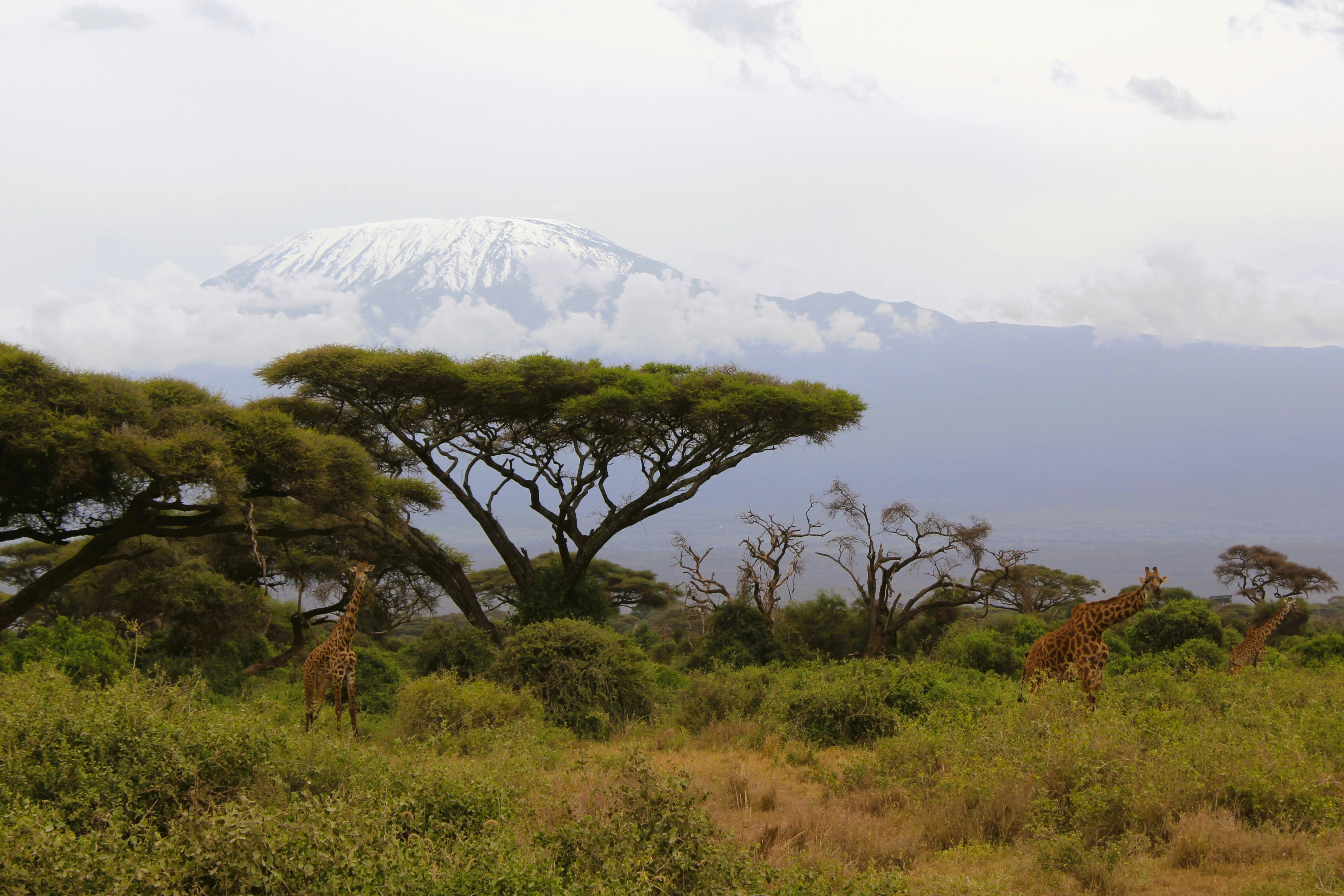
The diversity of wildlife in Uganda plays a crucial role in the ecological balance of its ecosystems. For instance, the existence of large herbivores, such as giraffes and elephants, helps maintain plant diversity by influencing vegetation structure through grazing and browsing. Meanwhile, carnivores, including lions and leopards, regulate the populations of herbivores, ensuring that no single species dominates the habitat. This interconnected web of life highlights the importance of preserving not only individual species but also the intricate relationships that sustain the environment.

Among the remarkable species indigenous to Uganda are the mountain gorillas, which inhabit the forests of Bwindi Impenetrable National Park and Mgahinga Gorilla National Park. With fewer than 1,000 individuals remaining in the wild, these magnificent primates are critically endangered and serve as a poignant reminder of the fragility of biodiversity. Additionally, other unique species such as the Shoebill stork and the Uganda mangabey further exemplify the country’s exceptional wildlife diversity.

Protecting Uganda's biodiversity is paramount for the health of ecosystems as well as for the livelihoods of local communities. Sustainable wildlife conservation practices can provide economic benefits through ecotourism, which not only supports wildlife preservation efforts but also enhances local economies. Ensuring that Uganda's natural heritage remains intact is vital for future generations, both for the intrinsic value of its wildlife and for the benefits it offers to humanity.

Threats to Wildlife in Uganda

Uganda is home to a remarkable diversity of wildlife, yet this heritage is increasingly threatened by various factors that compromise both the immediate well-being of its flora and fauna and the broader ecological balance. One of the most significant threats is habitat loss, primarily driven by agricultural expansion. As farming practices extend into previously untouched areas, critical habitats are destroyed or fragmented. This not only affects the animals that depend on these habitats for survival but also disrupts the intricate relationships within ecosystems, leading to declines in species populations and even extinction in some cases.

Another pressing threat facing Uganda's wildlife is poaching, a practice that targets many species for their valuable parts, such as ivory, horns, and skins. Poaching undermines conservation efforts and biodiversity, often leaving a trail of destruction. The demand for wildlife products, both locally and internationally, fuels this illegal activity, making it crucial to strengthen enforcement and implement community-based conservation initiatives that engage local populations in protecting their natural resources.

Climate change adds another layer of complexity to the threats facing Uganda's wildlife. Rising temperatures and shifting weather patterns can alter habitats, affecting food and water availability for various species. For example, certain plants may struggle to adapt to the changing climate, impacting the species that rely on them for sustenance. Additionally, extreme weather events, such as droughts and floods, can significantly influence the ecological patterns that support wildlife and their habitats, further exacerbating their vulnerabilities.

Addressing these threats is imperative for preserving Uganda's rich biodiversity and maintaining ecological stability. Comprehensive strategies that encompass habitat preservation, anti-poaching efforts, and climate resilience are essential for safeguarding the wildlife heritage that many Ugandans rely on for their cultural and economic well-being. The urgency of reinforcing conservation measures cannot be overstated, as the window for action narrows with the increasing pressure on wildlife resources.

Conservation Efforts in Uganda's National Parks

Uganda is home to some of the most diverse ecosystems in Africa, which are vital for preserving the country's biodiversity and providing essential services to local communities. The conservation efforts in Uganda's national parks are a collaborative endeavor involving various governmental and non-governmental organizations dedicated to protecting and promoting wildlife conservation. These initiatives seek to restore habitats, prevent poaching, and engage local communities in sustainable practices.

The Uganda Wildlife Authority (UWA) plays a pivotal role in managing national parks, safeguarding wildlife populations, and implementing strict anti-poaching measures. Through various programs, UWA has been effective in curbing illegal activities that threaten wildlife, such as poaching and illegal logging. Additionally, the agency has partnered with international conservation organizations, such as the World Wildlife Fund (WWF) and African Wildlife Foundation (AWF), to bolster conservation efforts. These partnerships often provide critical funding and resources for habitat restoration, security, and community outreach initiatives.

A notable success story within Uganda's conservation landscape is the increase in the mountain gorilla population, primarily due to concerted efforts in Bwindi Impenetrable National Park and Mgahinga Gorilla National Park. Intensive monitoring and protection measures, along with eco-tourism initiatives, have allowed these endangered species to thrive. Moreover, community-based conservation projects engage local populations in protecting these iconic creatures, ensuring that they benefit economically from wildlife tourism while fostering a sense of stewardship for their environment.

Despite these successes, ongoing challenges remain in the realm of wildlife conservation. Habitat destruction, driven by agricultural expansion and human settlement, continues to threaten various wildlife species. Additionally, climate change poses significant risks to Uganda's natural resources, further complicating conservation strategies. By addressing these challenges and strengthening the collaboration between different stakeholders, Uganda can continue its vital journey towards effective wildlife conservation in its national parks.

The Importance of Conservation for Local Communities

Wildlife conservation in Uganda plays a crucial role in supporting the well-being of local communities, transcending mere environmental objectives to encompass socio-economic benefits. One of the most significant impacts of conservation efforts is the promotion of ecotourism, which serves as a vital source of income for many rural areas. Uganda's diverse ecosystems, including national parks and protected areas, attract tourists from around the globe, creating lucrative opportunities for local entrepreneurs and businesses. This influx of visitors not only boosts local economies but also incentivizes the protection of wildlife habitats, as communities recognize the value of their natural resources.

Furthermore, wildlife conservation initiatives often generate employment opportunities for community members, ranging from tour guides and park rangers to hospitality staff and artisans. By creating jobs, conservation programs not only alleviate poverty but also foster a sense of pride and ownership among the local populace. This job creation often leads to improved living standards, increased investment in education, and enhanced health services, thus contributing to the overall development of these communities.

In addition to economic benefits, community involvement is integral to the success of conservation strategies in Uganda. Empowering local populations to participate in wildlife protection efforts cultivates a culture of stewardship and respect for the environment. When people feel valued and included in decision-making processes regarding their natural heritage, they are more likely to engage in protective measures and sustainable practices. This collaborative approach bolsters the effectiveness of conservation programs by ensuring that the perspectives and needs of the community are respected and addressed, leading to more sustainable wildlife management outcomes.

Ultimately, the intersection of wildlife conservation and community development demonstrates that protecting the environment is not solely an ecological endeavor; it is also a pathway to enhancing the quality of life for those who depend on these resources. By prioritizing both conservation and community empowerment, Uganda can forge a harmonious relationship between its rich biodiversity and its local populations, ensuring that both thrive for future generations.

 The History of Uganda's Royal Kingdoms: A Look into the Rich Heritage and Rule of the Region

Introduction to Uganda's Royal Kingdoms

Uganda, a landlocked country located in East Africa, boasts a rich tapestry of history woven through its diverse royal kingdoms. These kingdoms have significantly influenced the political, social, and cultural fabric of the nation, serving as essential components in understanding Uganda's heritage. Not only do they encapsulate the lineage and traditions of various ethnic groups, but they also operate as intricate sub-national entities that have maintained their identity over the centuries.

At the height of their influence, the royal kingdoms of Uganda played pivotal roles in governance, conflict resolution, and community unity. Even after the establishment of colonial rule and subsequent political shifts, these kingdoms remained pivotal to Uganda's sense of identity and belonging. The historical narratives surrounding the Buganda, Bunyoro, and other kingdoms illustrate not only their sovereignty but also their interactions with colonial powers and modern national governance. Each kingdom, with its unique traditions and cultural practices, offers a distinct flavor to Uganda’s collective history.

Furthermore, these kingdoms have remained relevant in contemporary Uganda, often at the forefront of advocating for cultural preservation and political representation. The cultural ceremonies, regal attire, and traditional leadership structures still resonate in the daily lives of many Ugandans. This blend of historical significance and modern relevance makes the study of Uganda's royal kingdoms not merely an academic endeavor but a necessity for anyone seeking to grasp the intricacies of Uganda's past and present. As we delve deeper into the individual stories of these kingdoms, we will uncover the layers of tradition and governance that have shaped the nation's narrative throughout history.

The Major Kingdoms of Uganda: An In-depth Exploration

Uganda is home to several major kingdoms, each with a unique history and cultural significance that contributes to the nation's rich heritage. Among these prominent kingdoms are Buganda, Bunyoro, Busoga, and Tooro, all of which have played vital roles in shaping Uganda's social, political, and economic landscapes throughout history.

Buganda, arguably the most famous of the kingdoms, is characterized by its intricate governance structure and vibrant cultural practices. Established in the 13th century, Buganda has a monarch known as the Kabaka, who leads a centralized system of governance encompassing various clans. The kingdom's cultural practices, such as the famous Buganda traditional ceremonies, showcase its unique heritage and reinforce the social fabric of its people. Notable leaders such as Kabaka Mwanga II have left indelible marks on this kingdom, particularly during periods of colonial resistance.

Bunyoro-Kitara, another significant kingdom, boasts a rich tapestry woven from its ancient origins. The kingdom's governance structure was historically rooted in a feudal system, where the Omukama (king) held considerable sway over the chieftains. Bunyoro is celebrated for its artistic expressions, especially in music and dance, which often reflect its historical narratives. Key figures like Omukama Solomon Gafabusa Nadiope II played pivotal roles in political dynamics, particularly during the tumultuous colonial period, fostering a sense of unity and resilience among the people.

Busoga, located in southeastern Uganda, consists of multiple chiefdoms and is governed by a council of leaders known as the Basoga. The kingdom's societal structure emphasizes communal living and cooperation, with cultural festivities such as the Ekitangaala (a harvest festival) drawing large crowds annually. The lineage of influential leaders, particularly in times of conflict and negotiation with neighboring kingdoms, showcases Busoga's adaptability and strength.

Tooro, a relatively newer kingdom, emerged in the 19th century. The governance in Tooro revolves around the institution of the Omukama, who oversees a distinct council of advisors. The kingdom is renowned for its cultural heritage, including traditional ceremonies like the "Empango," which celebrates the king's coronation. Noteworthy leaders such as Omukama Patrick David Matthew Kaboyo Olimi III have greatly influenced both local governance and regional relationships within Uganda.

Collectively, these kingdoms depict a narrative of unity amid diversity, encapsulating the historical significance of royalty in Uganda. Each kingdom's contributions to the overall development of the nation have created a multifaceted cultural heritage that continues to evolve today.

The Influence of Colonialism on Uganda's Kingdoms

Colonialism played a significant role in reshaping Uganda's royal kingdoms during the late 19th and early 20th centuries. European powers, notably Britain, established control over the region, which profoundly impacted traditional governance structures. The British implemented indirect rule, a system that recognized and exploited the existing hierarchies within the kingdoms while simultaneously undermining their legitimacy. This dual approach allowed colonial authorities to maintain their supremacy without direct governance, effectively altering the dynamics of power among Uganda's kingdoms.

The establishment of colonial administrations often disrupted traditional power structures, diminishing the authority of local rulers. For instance, kings who had previously exercised significant power and influence found themselves relegated to ceremonial roles, primarily serving the interests of the colonial government. This shift not only weakened the kingdoms' influence but also created fractures within and between them, as different factions sought to navigate their new reality in a colonial framework. The British favored certain leaders over others, which fostered rivalry and discord among the kingdoms. This favoritism was evident in areas such as Buganda, where the British streamlined the political landscape, aligning it with their colonial objectives.

Culturally, colonialism also imposed foreign ideologies and practices that conflicted with Uganda's rich traditions. Christian missionaries played a predominant role in promoting Western education and religious beliefs, leading to significant changes in social norms and cultural practices. The introduction of Western education often resulted in the creation of a new elite class that further alienated traditional leaders. The resistance from various kingdoms culminated in uprisings and movements aimed at rejecting colonial rule, showcasing the resilience of Ugandan society despite the colonial intrusion. These resistance movements reflected a longing for autonomy and the preservation of cultural identity, ultimately shaping the path toward Uganda’s eventual independence.

Modern-Day Implications of Uganda's Royal Kingdoms

Uganda's royal kingdoms, which have roots extending deep into its historical and cultural fabric, continue to play significant roles in contemporary Ugandan society and politics. Following a period of political turbulence, there has been a notable resurgence in royal institutions, allowing them to regain prominence and influence. This revival has contributed to a renewed sense of cultural identity among various ethnic groups in Uganda, fostering pride and unity within diverse communities.

In present-day Uganda, the influence of these kingdoms is evident in various aspects of life. The royal families often serve as custodians of tradition and culture, promoting local customs, languages, and traditions that may have otherwise faded. This cultural revival not only enhances regional pride but also enriches the national identity, as many Ugandans find a connection to their heritage through these royal institutions. The prominence of cultural festivals, ceremonies, and events organized by these kingdoms creates opportunities for community engagement and celebration, reinforcing social cohesion.

Moreover, the political relevance of these kingdoms cannot be overlooked. Though the monarchy system does not wield formal political power in Uganda, the royal figures often serve as influential intermediaries in political discourse. They can lobby for the interests of their subjects and the regions they represent, providing a platform for dialogue between the government and the populace. This intermediary role can help bridge gaps between different cultural groups and foster a sense of national unity amidst Uganda's diverse ethnic landscape.

Furthermore, the presence of royal institutions contributes to the political landscape by advocating for policies that align with their cultural values and communal interests. The interaction between modern Ugandan politics and traditional royalty encourages a dialogue that acknowledges the historical legacies of the kingdoms while addressing contemporary challenges faced by the nation. Therefore, the ongoing role of Uganda's royal kingdoms in uniting communities and shaping cultural and political narratives remains critical considerations in understanding the country's modern social fabric.

 Uganda's Cuisine: A Foodie's Guide to Unique Dishes and Culinary Delights

Introduction to Uganda's Culinary Heritage

Uganda boasts a rich culinary heritage that reflects its diverse cultural landscape and geographical factors. Situated on the equator in East Africa, Uganda's climate is conducive to growing a variety of crops, which significantly influences its food culture. The fertile highlands and expansive wetlands provide ample opportunities for agriculture, allowing for the cultivation of staples such as matoke (green bananas), cassava, millet, and sorghum. These locally sourced ingredients form the backbone of many traditional dishes, showcasing the nation's agricultural bounty and the importance of fresh produce in Ugandan cuisine.

The influence of various ethnic groups, including the Baganda, Basoga, and Bakiga, contributes to the diversity of flavors and culinary techniques found in Uganda. This multicultural backdrop has led to a unique fusion of cooking styles, where each community adds its touch to shared ingredients. Traditional cooking methods, such as steaming, boiling, and roasting over open flames, provide an authentic taste that connects Ugandans with their heritage. Meals are often prepared with a focus on community, where families and friends gather to share food, reinforcing social bonds and cultural identity.

Food plays an integral role in Ugandan culture, transcending mere sustenance to become a celebration of life and tradition. Communal eating practices are common, emphasizing togetherness and hospitality. Traditional dishes are prepared for various occasions, from daily meals to significant ceremonies such as weddings and cultural festivities. Celebrating with food not only highlights the flavors of Uganda but also embodies the significance of sharing in its cultural practices. Such aspects of Ugandan culinary heritage not only reflect historical influences but also contribute to the ongoing narrative of the nation’s identity through its cuisine.

Must-Try Ugandan Dishes

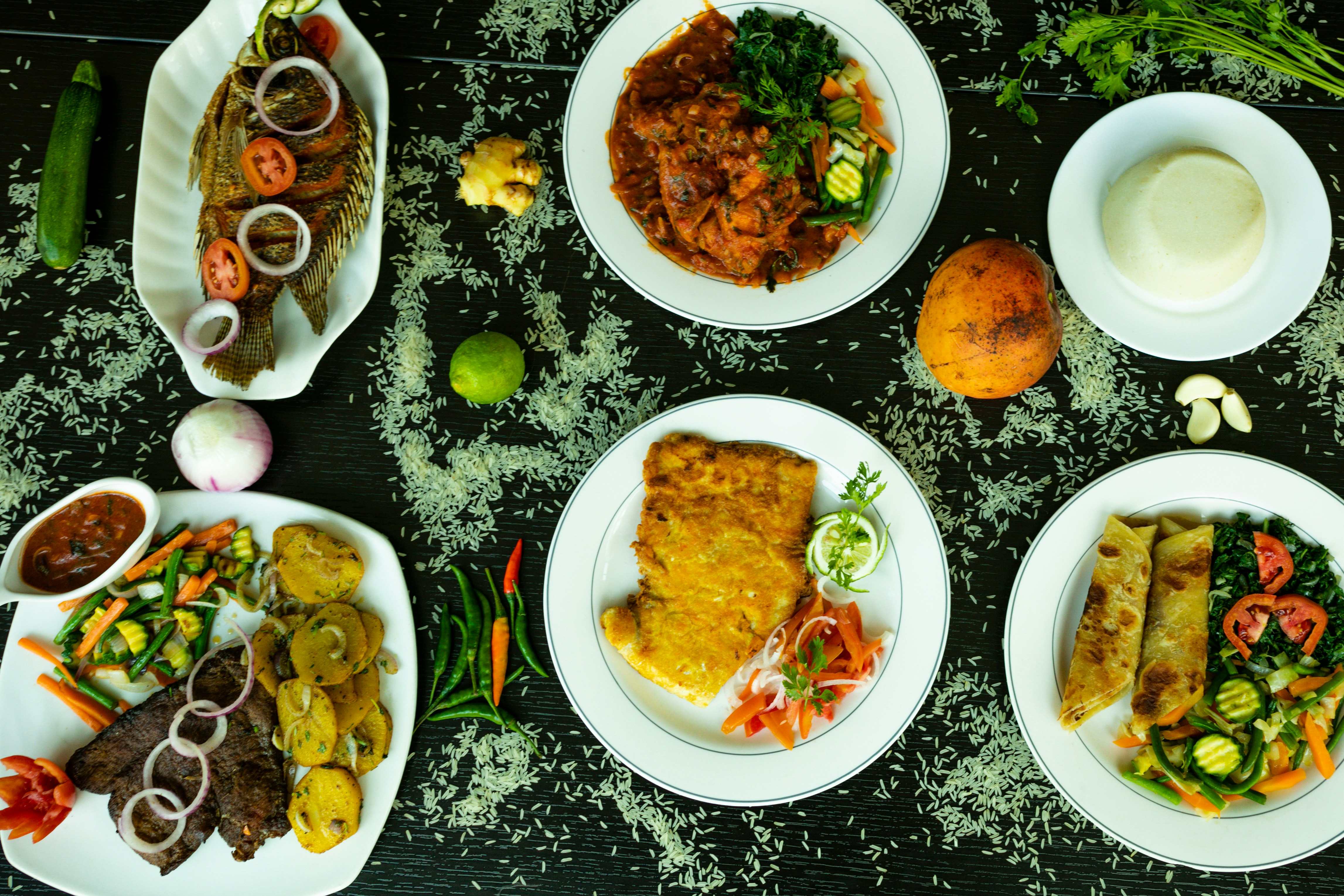
Ugandan cuisine showcases a rich blend of flavors and ingredients, reflecting the nation's diverse cultures and traditions. Some of the must-try dishes include Matoke, Luwombo, Rolex, and Posho, each offering a unique taste of Uganda’s culinary heritage.

Matoke, also known as green bananas, is a staple food in Uganda, particularly among the Baganda ethnic group. The preparation involves steaming or cooking the bananas before mashing them into a soft, flavorful dish. Matoke is often served with a sauce that can be made from groundnuts, vegetables, or meat, making it a versatile accompaniment to many meals.

Luwombo is a celebrated Ugandan stew traditionally prepared with meat, vegetables, and groundnut sauce, all slow-cooked in a pot. Its origins trace back to the Buganda Kingdom, where it was often enjoyed at royal feasts. This dish is commonly made with chicken or beef, and the distinct addition of peanut sauce lends it an exquisite flavor profile. Luwombo epitomizes comfort food in Uganda, often served with rice or posho.

Another popular dish is the Rolex, a delightful street food creation that combines an egg omelet rolled into a flatbread called chapati. The Rolex is typically filled with vegetables such as cabbage and onions, creating a savory, convenient treat for those on the go. Found in urban areas, it is a favored choice among locals and visitors alike.

Lastly, Posho, or Ugali, is a type of maize porridge often served as a side dish. It is made by mixing maize flour with water, resulting in a dense, starchy staple that complements many Ugandan dishes. In rural regions, Posho is a dietary foundation, showcasing the agricultural richness of the country.

To fully experience Ugandan cuisine, visitors should seek out local markets and eateries in Kampala and beyond, where these dishes are widely available, providing a genuine taste of Uganda’s culinary delights.

Traditional Cooking Techniques and Ingredients

Ugandan cuisine is distinguished by its traditional cooking techniques that reflect the cultural heritage and agricultural practices of the region. These methods, which include steaming, frying, and roasting, play a vital role in shaping the unique flavors and textures that characterize Ugandan dishes. One of the most common cooking techniques is steaming, often used for maize and plantains. This method preserves the natural flavors and nutrients of the food, resulting in tender and wholesome meals. Frying, on the other hand, is frequently utilized for cooking meats and fish, enhancing their taste with a crispy texture that is inviting and satisfying. Roasting is also popular, especially for vegetables, which gain a rich depth of flavor when cooked over an open flame or in an oven.

The key ingredients of Ugandan cuisine are diverse and abundant, with staple foods such as cassava, beans, groundnuts, and a variety of vegetables playing a significant role in daily meals. Cassava is a major carbohydrate source, known for its versatility and ability to thrive in Uganda's climate. Similarly, beans are not only a vital protein source but also offer a range of flavors and textures, making them a mainstay in many dishes. Groundnuts, commonly used in sauces, provide essential fats and a delicious nutty flavor, while numerous vegetables, including tomatoes, onions, and spinach, add freshness and nutritional value to meals.

Local markets are essential for procuring fresh, locally-sourced ingredients that enhance the quality of Ugandan cuisine. These markets brim with vibrant produce, allowing cooks to select the best seasonal ingredients available. The focus on fresh ingredients not only contributes to the nutritional value of the dishes but also supports local farmers and promotes sustainable agricultural practices. Overall, the combination of traditional cooking techniques and high-quality ingredients ensures that Ugandan cuisine remains rich in flavor and cultural significance, offering a delightful experience for food enthusiasts and devotees alike.

Food and Culture: Eating Etiquette and Food Festivals

In Uganda, food holds immense cultural significance that extends beyond mere sustenance. It plays a vital role in various social and ceremonial contexts, reflecting the values and traditions of the communities. One of the most prominent aspects of Ugandan dining culture is the communal nature of meals. Sharing dishes with family and friends is a common practice, often symbolizing unity and togetherness. It is not unusual for people to gather around a communal plate, engaging in lively conversations while enjoying a variety of dishes, ranging from the staple matoke (steamed green bananas) to rich stews and sauces.

Etiquette surrounding meals in Uganda is characterized by respect and appreciation for the food and the cook. Guests are often encouraged to acknowledge the effort that goes into preparing the meal, and it is polite to express gratitude before and after eating. Furthermore, traditional customs may vary between different ethnic groups, influencing dining practices, including the use of traditional utensils and the seating arrangements at the dinner table.

Food festivals are integral to Ugandan culture, showcasing the country’s diverse culinary landscape while celebrating local ingredients and techniques. One such notable event is the Entebbe Food Festival, which attracts food enthusiasts from all over the country and beyond. This festival provides a platform for showcasing traditional dishes and innovative culinary creations, helping promote Ugandan cuisine on a broader scale. During these festivals, visitors can enjoy live cooking demonstrations, local music, and cultural performances, which enrich the experience of food appreciation.

Anecdotes of traditional ceremonies often highlight the centrality of food in fostering community bonds. Weddings, funerals, and rituals typically include elaborate feasts, bringing people together to share in the joy or sorrow of the occasion. Thus, food not only nourishes the body but also strengthens cultural identity and community ties, creating lasting memories that resonate throughout generations.

 The Best Places to Stay in Entebbe: A Review of Top-Rated Hotels and Lodges

Introduction to Entebbe

Entebbe, a picturesque town situated on the northern shores of Lake Victoria, serves as one of Uganda's most significant destinations. It is renowned for its strategic location, encompassing the only international airport in the country, which attracts both leisure and business travelers alike. The proximity to this major transport hub makes Entebbe an ideal base for exploring the diverse attractions Uganda has to offer, including its renowned national parks and flourishing wildlife.

Rich in history, Entebbe was once the administrative capital of Uganda during the British colonial period, and this heritage is evident in the town's architecture and museums. Travelers can explore historical sites such as the Old Entebbe Golf Club and the Uganda Wildlife Education Center, which not only highlight the area’s past but also showcase its commitment to wildlife conservation. Furthermore, the town's vibrant culture is reflected in its markets, restaurants, and local festivals, offering visitors a genuine taste of Ugandan life.

The natural beauty surrounding Entebbe adds to its allure. The lush greenery and vibrant flower gardens create a serene environment, which is further enhanced by the stunning views of Lake Victoria. The lake is not only a viewpoint for picturesque sunsets but also provides various recreational activities, such as boat rides and birdwatching, making it a perfect spot for nature enthusiasts and adventure seekers. The diverse ecosystem found around the lake is a significant draw for tourists, as it hosts hundreds of bird species and unique wildlife.

In summary, Entebbe's combination of historical significance, cultural richness, and breathtaking natural landscapes make it an attractive destination. Whether traveling for business or pleasure, visitors will find a wealth of experiences that make this town an essential stop on their Ugandan adventure.

Criteria for Top-Rated Hotels and Lodges

When evaluating the best hotels and lodges in Entebbe, several key criteria play a vital role in ensuring that accommodations meet the varied needs of travelers. Each factor contributes to an overall assessment of a hotel or lodge’s ability to provide a pleasant and memorable experience.

Firstly, the location of the hotels and lodges is crucial. Proximity to major attractions such as Lake Victoria, the Entebbe Botanical Gardens, and the international airport is often a determining factor for guests. A well-located hotel allows travelers easy access to both recreational and business sites. Furthermore, safety and the surrounding environment also contribute significantly to the desirability of a location.

Amenities offered by hotels and lodges are another critical criterion. Top-rated establishments typically provide a variety of facilities that enhance guest comfort, such as swimming pools, fitness centers, complimentary Wi-Fi, and in-house dining options. For travelers seeking luxury, additional services like spa treatments and personalized concierge services can make their stay even more enjoyable. Conversely, budget-conscious guests often prioritize basic amenities that provide convenience without unnecessary frills.

The price range of accommodations is essential when categorizing the best hotels and lodges in Entebbe. Establishments that offer clear value for money attract a wider demographic, from luxury seekers to budget travelers. Transparent pricing, without hidden charges, is another aspect that influences overall satisfaction.

Additionally, guest reviews are invaluable in evaluating accommodations. Authentic feedback from past guests provides insights into service quality, cleanliness, and overall experiences encountered during their stay. By analyzing these reviews, potential guests can make informed decisions tailored to their preferences. Overall, the combination of location, amenities, pricing, and reviews defines what makes a hotel or lodge top-rated in Entebbe.

Top-Rated Hotels in Entebbe

Entebbe, located on the shores of Lake Victoria, offers visitors a variety of exceptional accommodations. Among these, several top-rated hotels stand out for their unique features, comfortable amenities, and proximity to numerous attractions.

One of the premier choices in Entebbe is the Protea Hotel by Marriott Entebbe. This hotel not only boasts stunning views of Lake Victoria but also provides a range of modern amenities including a fitness center, free Wi-Fi, and an on-site restaurant serving both local and international cuisine. Guests appreciate the hotel’s location, which is conveniently close to Entebbe International Airport, allowing for easy access for travelers. User reviews frequently highlight the exceptional service and the hotel’s commitment to cleanliness, making it a reliable choice for visitors.

Another noteworthy option is the Lake Victoria Serena Golf Resort & Spa. This luxurious hotel features an extensive range of facilities, including a golf course, a spa, and an infinity pool overlooking the lake. With elegant rooms available, guests can enjoy both relaxation and recreation. The resort is often praised for its outstanding hospitality, with many reviews reflecting on the helpful staff and beautiful landscaping that creates a serene atmosphere crucial for a memorable stay.

Lastly, consider the Airport Guesthouse, which is particularly popular among budget-conscious travelers. Providing a warm and inviting environment, this guesthouse offers basic yet comfortable accommodations. While being affordable, it does not compromise on quality; guests report excellent service and a peaceful atmosphere, essential for a restful night after a long journey. Its proximity to local attractions, including the Entebbe Botanical Gardens, makes it a favorite for those looking to explore the area without overspending.

These top-rated hotels in Entebbe cater to various preferences and budgets, ensuring a pleasant stay for every guest while highlighting the unique charm and beauty of the region.

Charming Lodges and Guesthouses in Entebbe

For travelers seeking a more personal touch during their stay in Entebbe, the town offers a range of charming lodges and guesthouses that provide intimate accommodations. These options are perfect for solo adventurers, families, and couples alike, ensuring that every visitor can find a suitable place that feels like home away from home. Eco-friendly lodges are particularly appealing, integrating sustainable practices with comfort, allowing guests to enjoy nature while respecting the environment.

One such eco-friendly lodge is the Lake Victoria Serena Golf Resort & Spa. Nestled along the shores of Lake Victoria, it combines luxurious comforts with breathtaking views. Couples seeking romance will appreciate the serene ambiance, perfect for unwinding after a day of exploration. The resort offers various amenities, including a full-service spa and gourmet dining that focus on local flavors, creating a memorable experience for all who stay.

For budget-conscious travelers, Edward’s Lodge provides an excellent alternative. This welcoming guesthouse features cozy rooms, friendly staff, and a garden space where guests can relax and socialize. The lodge's affordable rates do not compromise the quality of service, making it an ideal spot for families or solo explorers who value both comfort and economy. Many past guests commend the lodge for its cleanliness and the exceptional assistance provided by the staff, reinforcing the homey atmosphere.

For those traveling in groups or who want a truly local experience, La Maison Royale captures the essence of Ugandan hospitality. Set in a quiet neighborhood, this guesthouse is known for its personalized service and home-cooked meals. It caters specifically to families, offering ample space and amenities that ensure a pleasant stay. The unique décor and warm ambiance reflect the rich culture of Uganda, making it an exceptional choice for diverse travelers.

With such a variety of charming lodges and guesthouses available, visitors to Entebbe are sure to find accommodations that fit their needs and enhance their experience in this beautiful coastal town.

 How to Plan the Perfect Safari in Uganda: Tips and Advice on Planning a Successful Safari Adventure

Understanding Uganda's Safari Landscape

Uganda, often referred to as the "Pearl of Africa," is renowned for its stunning landscapes and remarkable biodiversity, making it an exceptional destination for safari enthusiasts. The country's national parks and reserves offer a variety of ecosystems, from dense rainforests and savannah plains to mountainous regions and wetlands, each hosting a unique set of wildlife. Among the most prominent national parks are Queen Elizabeth National Park, Murchison Falls National Park, and Bwindi Impenetrable National Park, each providing distinct experiences for safari-goers.

Queen Elizabeth National Park is celebrated for its diverse wildlife, including the Big Five: lions, elephants, leopards, buffalo, and rhinos. Visitors can also enjoy boat cruises on the Kazinga Channel, where they may encounter hippos and an array of bird species, including the iconic shoebill stork. Murchison Falls National Park is famed for its dramatic waterfall and the chance to see a plethora of wildlife, with evening game drives offering some of the best opportunities to spot animals such as elephants and lions in their natural habitat. Meanwhile, Bwindi Impenetrable National Park is a UNESCO World Heritage Site known for its mountain gorillas, providing a once-in-a-lifetime trekking experience that attracts many travelers.

The abundance of avifauna in Uganda also deserves mention; it is home to over 1,000 species of birds, making it a birdwatcher's haven. Notable species include the African greenbuls, the giant kingfisher, and the elegant African fish eagle. When planning a safari, it is crucial to choose the right location based on specific interests, such as wildlife variation or particular species one hopes to see. For example, those focused on gorilla trekking should prioritize Bwindi. Additionally, the timing of the visit plays a significant role in the safari experience. The dry seasons, from June to August and December to February, are generally regarded as the best times for wildlife sightings, as animals are more likely to congregate around water sources.

Choosing Your Safari Type: Self-Drive vs. Guided Tours

When planning a safari in Uganda, one of the most crucial decisions is selecting the type of safari that best fits your style and preferences. The two primary options are self-drive safaris and guided tours, each offering distinct advantages and potential drawbacks. Understanding these differences can significantly enhance your experience in Uganda's remarkable wildlife and natural landscapes.

Self-drive safaris grant travelers a sense of independence and flexibility. This type of adventure allows you to create your itinerary and explore Uganda at your own pace. However, it's imperative to weigh the challenges associated with self-drive experiences, such as navigating unpaved roads, potential vehicle malfunctions, and safety concerns. Travelers contemplating this option should ensure they have access to a reliable vehicle and be aware of the road conditions, which can vary greatly throughout different national parks. Additionally, it is essential to secure the necessary permits for access to certain areas, which can involve some upfront planning.

On the other hand, guided tours offer numerous benefits, particularly for those who may be unfamiliar with Uganda's terrain or wildlife. Knowledgeable tour guides provide invaluable insights into animal behavior and local ecosystems, enriching the safari experience. They are equipped to handle logistical aspects such as park entry fees, accommodations, and daily schedules, which can alleviate stress for travelers. When opting for a guided tour, it is crucial to select a reputable tour operator. Look for operators with positive reviews and those that prioritize safety, sustainability, and ethical wildlife interactions.

Ultimately, the choice between a self-drive safari and a guided tour will depend on your individual preferences, comfort level, and budget. Both options can lead to unforgettable adventures in Uganda's stunning national parks, offering unique opportunities to enjoy the diverse wildlife and breathtaking landscapes the country has to offer.

Packing Essentials for a Safari in Uganda

When planning a safari in Uganda, it is vital to be adequately prepared with the right packing essentials to ensure a comfortable and enjoyable experience. The unique climate and diverse wildlife require thoughtful consideration of clothing, gear, and personal items.

Clothing should prioritize lightweight and breathable fabrics, which facilitate ventilation and moisture-wicking. Neutral-colored attire such as khaki, beige, or olive green is highly recommended, as it helps blend into the natural surroundings and avoids alarming wildlife. A wide-brimmed hat and UV-protection sunglasses are also essential to shield against the strong sun during daytime excursions. Additionally, a light waterproof jacket or poncho can be beneficial as weather conditions can be unpredictable.

Essential gear includes binoculars for optimal wildlife viewing and a good-quality camera with zoom capabilities to capture the magnificent scenery and its inhabitants. Many travelers also find it valuable to have a reliable flashlight or headlamp for night walks and a pair of comfortable hiking boots for traversing varied terrains. A compact and portable camping chair can provide comfort during long wait times while observing wildlife.

Moreover, a well-stocked first aid kit should not be overlooked. This kit should contain insect repellent, basic medications, and antihistamines to handle any unexpected health issues. Safari guides and printed maps can be beneficial for navigating your journey and gaining insight into the local environment and wildlife.

Packing efficiently is crucial for those traveling by small charter flights to remote areas. To maximize luggage space, consider using packing cubes to organize items and reduce bulk. Remember that luggage weight limits often apply, so selective packing of multi-functional clothing and necessary gear can make a significant difference. Prioritize the items that are essential for your experience to ensure a smooth and enjoyable safari adventure in Uganda.

Cultural Sensitivity and Responsible Tourism in Uganda

When embarking on a safari in Uganda, understanding cultural sensitivity and practicing responsible tourism are paramount. Uganda is rich in diverse ethnic groups, each with unique customs, traditions, and social norms. As travelers, it is essential to approach interactions with local communities with respect and openness, ensuring that one’s behavior aligns with local customs. For instance, when visiting villages or engaging with community members, it is advisable to dress conservatively and refrain from taking photographs without permission. This fosters mutual respect and positive interactions.

Moreover, supporting local businesses is a significant aspect of responsible tourism. Tourists should consider purchasing souvenirs directly from artisans or utilizing local guides whose livelihoods depend on tourism. This not only enriches the travel experience but also contributes to the local economy, thereby promoting sustainable development in these communities. Engaging with the traditions and customs of the region through participatory experiences, such as cooking classes or cultural performances, can enhance understanding and appreciation of Ugandan culture.

Conservation plays a critical role within the realm of responsible tourism. Tourists are urged to familiarize themselves with conservation practices during their safari to minimize their ecological footprint. This includes adhering to guidelines for wildlife encounters, such as keeping a safe and respectful distance from animals, avoiding littering, and using eco-friendly products. Ethically viewing wildlife not only protects the animals but also enhances the preservation of Uganda's natural resources for future generations.

Incorporating these practices into your safari adventure contributes significantly to the well-being of local communities and the environment. Responsible tourism, rooted in cultural sensitivity, enhances the overall travel experience, making your safari not just a personal journey but a step towards a sustainable future for Uganda and its people.

 The Cultural Significance of Uganda's Tribes: Exploring the Rich Cultural Heritage of a Diverse Nation

Overview of Uganda's Tribal Diversity

Uganda is home to a remarkable array of tribes, each contributing to the nation's rich cultural landscape. Officially, Uganda recognizes over 50 distinct ethnic groups, which can be broadly categorized into several major tribes, including the Baganda, Basoga, Bakiga, Banyankole, and Bakonjo, among others. These tribes exhibit significant diversity in languages, customs, and social structures, reflecting the multifaceted nature of Ugandan identity.

The Baganda, one of the largest ethnic groups, predominantly reside in the central region of Uganda, particularly around Lake Victoria. Their language, Luganda, serves as a lingua franca in many urban areas, facilitating communication across different ethnicities. The Basoga, primarily located in the eastern part of the country, share cultural similarities with the Baganda yet maintain unique traditions, such as their distinctive music and dance forms.

In the southwestern region, the Bakiga and Banyankole tribes play a pivotal role in the cultural fabric of Uganda. The Bakiga are known for their agricultural practices, particularly in cultivating crops like coffee and bananas, while the Banyankole are renowned for their cattle-keeping traditions, which are integral to their social identity. The Bakonjo, residing near the Rwenzori Mountains, showcase a different cultural heritage, with unique societal structures and traditional practices tied closely to their mountainous environment.

Geographically, Uganda's tribes are not only demarcated by their settlements but also by distinct cultural zones that influence their livelihoods, clothing, language, and social interactions. This tribal diversity is a critical aspect of Uganda's cultural heritage, underscoring the interplay between ethnicity and national identity. Understanding these tribal dynamics is essential for comprehending the complexities that strengthen Uganda's cultural tapestry, as each group adds to the narrative of this diverse nation.

Cultural Practices and Traditions of Uganda's Tribes

Uganda is home to a diverse array of tribes, each with unique cultural practices and traditions that contribute significantly to the nation's rich cultural heritage. These tribal identities are often defined by a tapestry of rituals, ceremonies, music, dance, art, and culinary traditions, all of which serve to foster community bonding and preserve historical narratives. Each tribe's practices reflect their societal values, beliefs, and the environment in which they live, illustrating the profound connection between culture and identity.

Rituals and ceremonies are pivotal in Ugandan tribal life, often marking significant life events such as birth, marriage, and death. For instance, the Baganda tribe celebrates the 'Kwanjula' or marriage ceremony with intricate rituals that emphasize respect, unity, and familial ties. In contrast, the Basoga tribe holds the 'Ekitangaala,' a ceremonial ordination that draws the community together in a display of cultural continuity and respect for tradition.

Music and dance are integral to the cultural expressions of Uganda's tribes. Traditional music, characterized by the use of local instruments like the 'Amatimba' and 'Emiziro,' often accompanies community gatherings, celebrations, and religious ceremonies. For example, the Bakiga tribe's 'Ekitagururo' dance is performed during harvest seasons, reflecting gratitude and the importance of agricultural wealth. These performances are not only entertaining; they serve as a means of transmitting stories and history from one generation to the next.

Artistic expression is evident in pottery, weaving, and beadwork, with each tribe showcasing their craftsmanship and creativity. The Nilotic ethnic groups, such as the Karamojong, are known for their intricate bead necklaces that tell stories of personal and tribal significance. Furthermore, Ugandan cuisine is a vibrant tapestry of flavors, with each tribe boasting unique recipes that speak volumes about their cultural heritage and local resources.

Ultimately, the cultural practices and traditions of Uganda's tribes are not merely relics of the past but living elements of community identity and social cohesion. They foster a sense of belonging while allowing tribes to communicate their histories and values, ensuring the continuance of Uganda's diverse cultural landscape.

The Role of Tribal Identity in Modern Uganda

Tribal identity remains a prominent aspect of life in contemporary Uganda, deeply rooted in the nation's history and cultural framework. Uganda is home to over 50 distinct tribes, each with its own unique customs, languages, and traditions. In modern Ugandan society, tribal affiliations significantly influence various social, political, and economic dynamics. The importance of belonging to a particular tribe often informs individual and group identities, shaping interpersonal relationships and community interactions.

While tribal identity fosters a sense of belonging and cultural pride, it can also lead to challenges, such as social fragmentation and political divisions. Political parties in Uganda frequently align themselves along tribal lines, which can exacerbate tensions among different groups. These divisions often hinder national unity and can lead to conflicts during election periods or resource allocation. The political landscape in Uganda thus requires addressing tribal affiliations to ensure equitable representation and cohesion among the diverse populace.

On an economic level, tribal identity plays a critical role in access to resources and opportunities. Individuals may find economic advantages within their communities through networks that prioritize tribal loyalty. However, this can also lead to exclusion and marginalization for those outside a particular tribe. Efforts to mitigate these disparities include promoting inclusivity and encouraging collaboration among different groups. Educational initiatives, for example, aim at fostering understanding and respect for all tribes, emphasizing the importance of a shared national identity amidst diversity.

Moreover, as globalization and urbanization continue to reshape Ugandan society, the preservation of tribal customs and practices has become increasingly vital. Many tribal leaders and community members are actively working to safeguard their cultural heritage, implementing programs to promote traditional practices while navigating modern influences. The balance between maintaining tribal identity and adapting to contemporary life is critical in fostering a cohesive society that respects its rich tapestry of cultural diversity.

Preservation of Cultural Heritage and Future Prospects

Uganda's rich cultural heritage, characterized by a myriad of tribal customs and traditions, faces numerous challenges in the contemporary world. The preservation of this heritage is crucial, not only for the identity of the tribal groups but also for the national identity of Uganda as a whole. Various initiatives by local communities, non-governmental organizations (NGOs), and the government aim to safeguard the intangible cultural assets that define Uganda's tribes.

Local communities play a vital role in the preservation of their traditions. By transferring knowledge through storytelling, ritual performances, and communal gatherings, they ensure that younger generations remain connected to their roots. Many tribes have established cultural centers and festivals that showcase their unique practices, music, and art forms, creating spaces for cultural exchange and learning.

NGOs have also been instrumental in these preservation efforts. They often provide resources and training to help communities document their cultural practices, ensuring that vital aspects are not lost to the influences of globalization. Programs focused on sustainable tourism promote cultural appreciation among visitors while generating income that can be reinvested into cultural initiatives.

The government of Uganda has recognized the importance of cultural heritage and has taken steps to promote it through various policies. Legislation aimed at protecting indigenous knowledge and practices is critical as it fosters an environment conducive to the growth of tribal identities in a modern context.

Looking ahead, the future of Uganda's tribal cultures appears promising as they continue to adapt to changes while striving to maintain their unique identities. By embracing innovation and technology, tribes can harness new means of sharing their heritage with the world. Engaging with these cultural narratives will not only foster appreciation among locals and visitors alike but also ensure the vibrancy of Uganda's diverse tribal traditions for generations to come.


Uganda's National Parks: A Guide to the Best Game Drives

Introduction to Uganda's National Parks

Uganda, often referred to as the “Pearl of Africa,” is home to several remarkable national parks that showcase the country's rich biodiversity and stunning natural landscapes. Covering diverse geographic regions, these parks serve as crucial habitats for a variety of wildlife species, making them ideal destinations for nature enthusiasts and conservationists alike. The national parks vary significantly in size and topography, ranging from the sprawling savannahs of Murchison Falls National Park to the dense rainforests of Bwindi Impenetrable National Park.

Each park possesses its unique features that contribute to the overall ecological balance of the region. For instance, Queen Elizabeth National Park is renowned for its diverse ecosystems, including wetlands, grasslands, and forests, which support a wide array of species such as elephants, hippos, and over 600 bird species. Meanwhile, the Rwenzori Mountains National Park is characterized by its dramatic peaks and rich montane flora, drawing trekkers and adventure seekers eager to explore its rugged terrain.

Conservation efforts in Uganda's national parks are paramount to preserving the diverse wildlife that inhabits these areas. Through initiatives aimed at protecting endangered species and maintaining their natural habitats, Uganda aims to ensure the long-term sustainability of its ecosystems. Game drives play a vital role in this endeavor, providing an opportunity for visitors to explore the parks while fostering awareness about the importance of wildlife conservation.

In essence, game drives in Uganda's national parks offer a unique means of appreciating the country's natural beauty and the intricate relationships between its various ecosystems. These experiences not only enhance visitors’ understanding of Uganda's wildlife but also contribute directly to the conservation measures in place, ultimately benefiting both the environment and the local communities involved in tourism.

Queen Elizabeth National Park

Queen Elizabeth National Park is one of Uganda's premier wildlife destinations, renowned for its diverse ecosystems. Spanning over 2000 square kilometers, the park features savanna, wetlands, and dense forests that provide habitats for a wide array of wildlife. Game drives in this park are an exhilarating experience, with the opportunity to spot species such as elephants, buffalos, and antelopes. The park is also famous for its tree-climbing lions found in the Ishasha sector, providing a unique spectacle during your wildlife adventures.

Murchison Falls National Park

As the largest national park in Uganda, Murchison Falls National Park is an icon for game drives. Home to the spectacular Murchison Falls on the Nile River, the park showcases a variety of ecosystems. Visitors can expect to encounter a rich diversity of wildlife, including giraffes, hippos, and numerous bird species, particularly along the river banks. The open savanna provides excellent visibility during game drives, allowing for unmatched wildlife viewing opportunities that captivate both seasoned travelers and first-time visitors.

Kidepo Valley National Park

Kidepo Valley National Park, located in the northeastern part of Uganda, is celebrated for its remote and spectacular landscapes. With its rugged mountains and expansive savannah, Kidepo is home to unique wildlife species that may not be found in other parks, such as the cheetah and the ostrich. Game drives here are tailored to offer a more intimate wildlife viewing experience, where one can often witness animals in their natural behavior without the usual crowds. The park offers scenic drives through its rolling hills and valleys, making each expedition truly memorable.

Conclusion

Visiting Uganda's national parks for game drives presents a remarkable opportunity to engage with some of the most stunning wildlife environments in Africa. Each park, from Queen Elizabeth’s diverse ecosystems to Murchison Falls’ majestic landscapes and Kidepo Valley's unique wildlife, showcases the rich natural heritage of the region. Travelers seeking unforgettable game driving experiences will find these parks to be exceptional destinations.

What to Expect on a Game Drive

Embarking on a game drive in Uganda’s national parks offers an exciting adventure into the heart of wildlife. It is important to know the best times for these excursions, as early mornings or late afternoons are typically ideal. During these hours, animals are often more active and visible, maximizing opportunities for sightings. Most game drives last between three to four hours, providing ample time to traverse diverse terrains while observing various animals in their natural habitat.

Preparation is key to enjoying a successful game drive. Visitors should consider packing essential gear, including binoculars for bird watching, a camera with a zoom lens for capturing memories, and comfortable clothing that blends with the environment. Furthermore, carrying sunscreen and insect repellent is advisable to remain protected while exposed to the elements. Staying hydrated is crucial, so bringing enough water is essential during the drive.

Photographing wildlife can be a rewarding experience; thus, utilizing the right techniques is vital. It is recommended to keep noise to a minimum, approaching subjects with patience, allowing for natural behavior to be showcased. Additionally, adopting a low profile in the vehicle can help in getting unobtrusive shots while respecting wildlife space and safety.

Having a knowledgeable guide enhances the game drive experience. Their expertise not only enriches your understanding of the ecosystems but also ensures safety and ethical interaction with nature. Guides emphasize the importance of respecting wildlife and their habitats, fostering a responsible approach to viewing that sustains the delicate balance of these ecosystems. Understanding these dynamics can lead to a more enriching adventure in Uganda’s captivating national parks.

Planning Your Game Drive: Tips and Recommendations

Planning a game drive in Uganda can be a thrilling yet daunting task. To ensure a memorable experience, it is essential to consider various factors that will significantly enhance your adventure. Start by researching potential tour operators. Look for companies with positive reviews and a proven track record of providing quality services. Consider operators who prioritize sustainable tourism practices and adhere to the guidelines of wildlife conservation.

Another important aspect of your game drive planning is accommodation. Uganda offers a range of lodges, camps, and hotels, each catering to different budgets and preferences. Booking accommodations close to the national parks can save time and provide better access to renowned wildlife viewing areas. It is advisable to make your reservations well in advance, especially during peak seasons, as these places can fill up quickly.

The time of year you choose to visit greatly affects wildlife visibility. The dry seasons, typically from December to February and June to August, are generally ideal for game drives as animals congregate around water sources, making them easier to spot. Conversely, the wet seasons can result in lush scenery and birthing seasons for various species, offering a unique experience but potentially more challenging driving conditions.

Your choice of transportation is another critical factor. While self-driving is an option, hiring a knowledgeable guide who can provide insights into animal behaviors and park ecosystems can significantly enhance your experience. Moreover, make sure your vehicle is suitable for the terrain and equipped for safety during the trip, including a first aid kit and spare tire.

Lastly, budgeting is essential in ensuring a smooth experience. Consider all potential expenses, including park fees, accommodation, food, and transportation. It is also crucial to keep personal safety in mind—stay vigilant and follow the instructions of your guides, especially when observing wildlife. With careful planning, your game drive in Uganda can be an unforgettable adventure.