
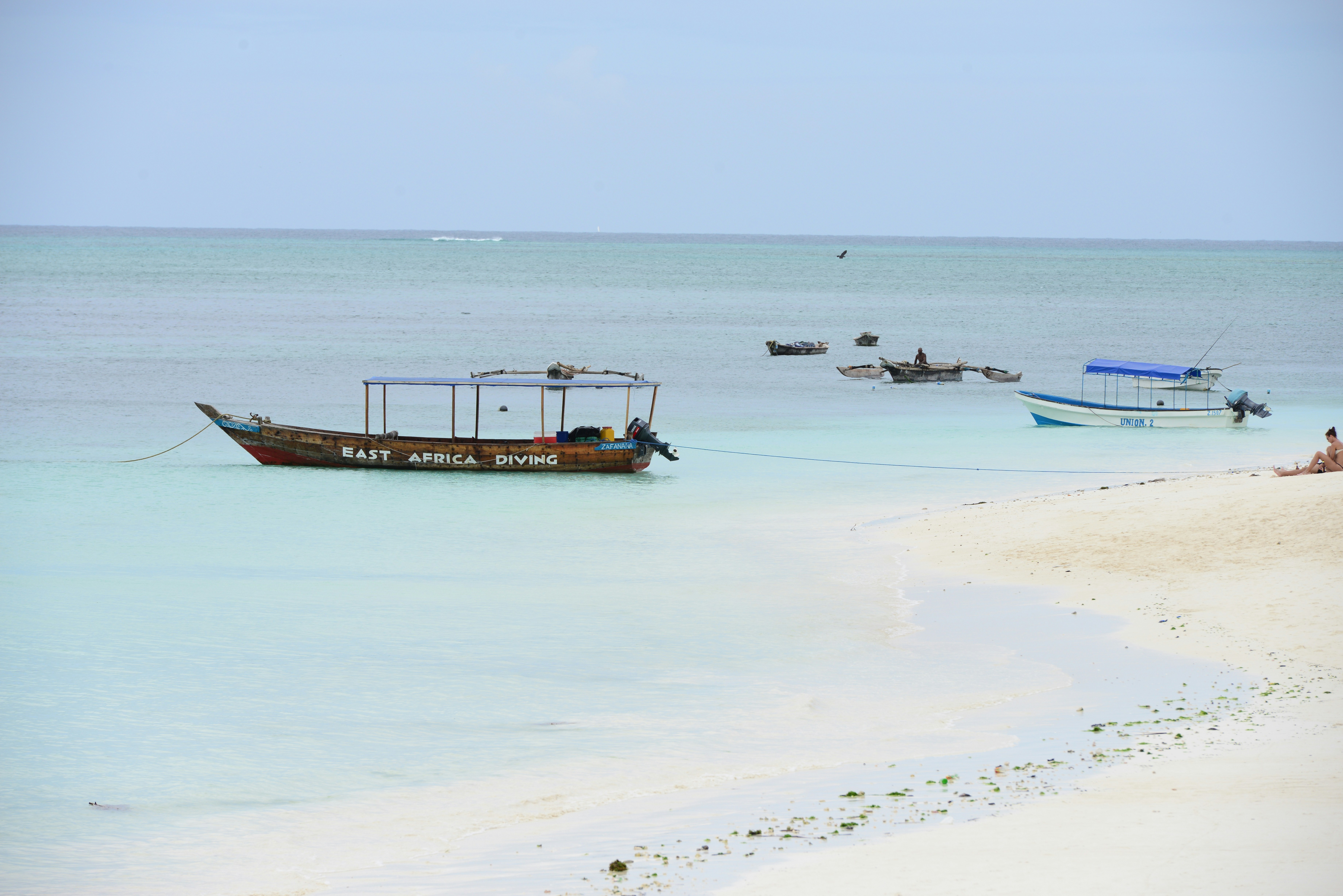
Introduction to Lake Victoria
Lake Victoria, located in East Africa, is renowned as one of the largest freshwater lakes in the world. Spanning approximately 68,800 square kilometers, it is bordered by three countries: Uganda to the north, Kenya to the southwest, and Tanzania to the south. This expansive body of water plays a crucial role not only as a vital resource for the surrounding communities but also as a significant ecological reservoir. Lake Victoria is essential for sustaining various livelihoods, serving as a primary source of fish, water supply, and transport for millions.
The lake's geographical significance is underscored by its elevation at around 1,134 meters above sea level, making it the second-highest of Africa's great lakes. The watershed of Lake Victoria encompasses diverse landscapes, from wetlands and marshes to forests and hills. This diversity has fostered rich ecological varieties, supporting an impressive array of wildlife. Endemic species like the Nile perch and vibrant cichlids exemplify the lake’s unique biological heritage. Additionally, the lake's surrounding areas provide habitat for numerous bird species, attracting ornithologists and nature enthusiasts alike.
Culturally, Lake Victoria is deeply woven into the fabric of life for the local communities. Various ethnic groups such as the Baganda, Basoga, and Sukuma depend on the lake for fishing and agriculture, which are important not only for subsistence but also for the local economy. The traditions and practices associated with Lake Victoria reflect a deep respect for this natural resource, which is both a source of life and a vital cultural symbol. As such, the lake stands as a testament to the interconnectedness of ecological health and human well-being. Understanding the significance of Lake Victoria is crucial for appreciating its role in sustaining the environment and the communities that thrive around it.
Water Sports Activities on Lake Victoria
Lake Victoria, known for its stunning beauty and vibrant ecosystem, offers numerous water sports activities that cater to both enthusiasts and beginners. The vast expanse of the lake provides an excellent backdrop for thrilling adventures such as kayaking, windsurfing, and sailing. Each of these activities presents a unique way to experience the lake's breathtaking scenery while also enjoying the thrill of water sports.
Kayaking is particularly popular due to its accessibility and ease of learning. Various sports centers around the lake, such as the Jinja Sailing Club in Uganda and the Speke Resort in Munyonyo, offer kayak rentals and guided tours. The best time to engage in kayaking is during the dry season from June to August, when the weather is mild and the water conditions are favorable. For safety, it is advisable to wear life jackets, stay away from busy boat lanes, and always check weather forecasts before heading out.
Windsurfing, on the other hand, requires a bit more skill but rewards participants with an exhilarating experience. The ideal spots for windsurfing include the northern shores of Lake Victoria, where strong winds create perfect conditions. Numerous instructors are available for lessons at established centers, such as the Watersports Centre in Kisumu. The peak wind season falls between October and March, making it the best time to explore this thrilling sport. Participants should ensure proper maintenance of their gear and wear safety equipment to prevent accidents.
Sailing is another popular activity that allows participants to appreciate the tranquility of Lake Victoria while harnessing the power of the wind. Sailing schools at various resorts provide training for all skill levels, with popular locations including the Sail Uganda center. The recommended period for sailing is from December to March, when the winds are consistent. Safety precautions, such as ensuring the boat is equipped with flotation devices and registering your trip before setting out, are essential for a safe sailing experience.
To enjoy these water sports fully, appropriate gear such as life jackets, paddles, and sails should be rented from local service providers. As Lake Victoria continues to attract water sports enthusiasts, it is important for participants to not only relish the adventure but also to prioritize safety and environmental awareness while engaging in these activities.
Fishing Adventures: Tips and Techniques
Lake Victoria, renowned for its vastness and biodiversity, is a paradise for fishing enthusiasts. The lake is home to numerous fish species, but it is particularly famous for two: the Nile Perch and Tilapia. Each of these fish presents unique challenges and rewards for anglers, making them popular targets for both amateur and professional fishermen.
Nile Perch, an imposing predator, can reach weights of over 100 kilograms. They inhabit deeper waters and are typically caught using trolling methods or live bait, especially in the northern regions of the lake, such as near the islands of Rubondo and Kagera. A good practice is to utilize downriggers, as this technique helps you target different water depths where these majestic fish reside.
On the other hand, Tilapia, which thrives in shallower waters, is easier to catch and offers great opportunities for novice anglers. Techniques such as bottom fishing with earthworms or bread balls can yield impressive results near the rocky shorelines and submerged vegetation. The abundance of Tilapia not only makes it a suitable target for casual fishing but also a culinary delight for local communities.
To enhance your fishing experience, consider hiring a local fishing charter or guide. These professionals possess extensive knowledge of the lake's best fishing spots and seasonal patterns. Additionally, they can provide the necessary equipment and ensure compliance with local fishing regulations, which are essential for sustainable practices. Knowing fishing quotas and protected species helps in preserving the lake's ecosystem.
Whether you are a seasoned angler or just starting, Lake Victoria offers an exceptional fishing adventure. With its rich aquatic life and picturesque landscapes, fishing at this location is bound to create unforgettable memories. By following these tips and engaging with local resources, you can enhance your fishing experience in this remarkable part of the world.
Exploring the Surroundings: Attractions and Local Culture
Lake Victoria, a stunning waterbody straddling three countries, offers a unique blend of natural beauty and cultural richness. Surrounding the lake, numerous attractions beckon travelers. For those interested in wildlife, the nearby national parks such as Bwindi Impenetrable National Park and Queen Elizabeth National Park in Uganda present an opportunity to see diverse flora and fauna, including the rare mountain gorillas and tree-climbing lions. The parks provide guided tours, allowing visitors to immerse themselves in the wilderness while promoting conservation efforts.
The lake itself is dotted with various islands, each featuring distinct ecosystems and traditions. A visit to the Ssese Islands, for instance, allows tourists to relax on pristine beaches, discover unique wildlife, or go fishing—a staple activity among local communities. Engaging with the island inhabitants not only enriches one’s experience but also offers insight into their fishing techniques, which have been passed down through generations.
In addition to natural attractions, cultural experiences abound around Lake Victoria. Local markets, such as the vibrant Kisumu Market or Jinja's artisanal shops, are perfect for those eager to sample traditional foods, buy handmade crafts, or simply interact with locals. Culinary experiences here are diverse, featuring delicacies like tilapia, chapati, and ugali, reflecting the cultural tapestry of the region. Furthermore, music and dance often play a pivotal role in local life, with frequent performances showcasing traditional rhythms and vibrant costumes.
For respectful engagement, visitors should consider learning a few basic phrases in the local languages and be open to participating in community festivals, which often include music, dance, and local cuisine. Such interactions foster goodwill and create memorable experiences that resonate beyond mere sightseeing. By exploring the surroundings of Lake Victoria, travelers can gain a deeper appreciation of this remarkable region, accentuating not just its natural beauty but its rich cultural heritage as well.