
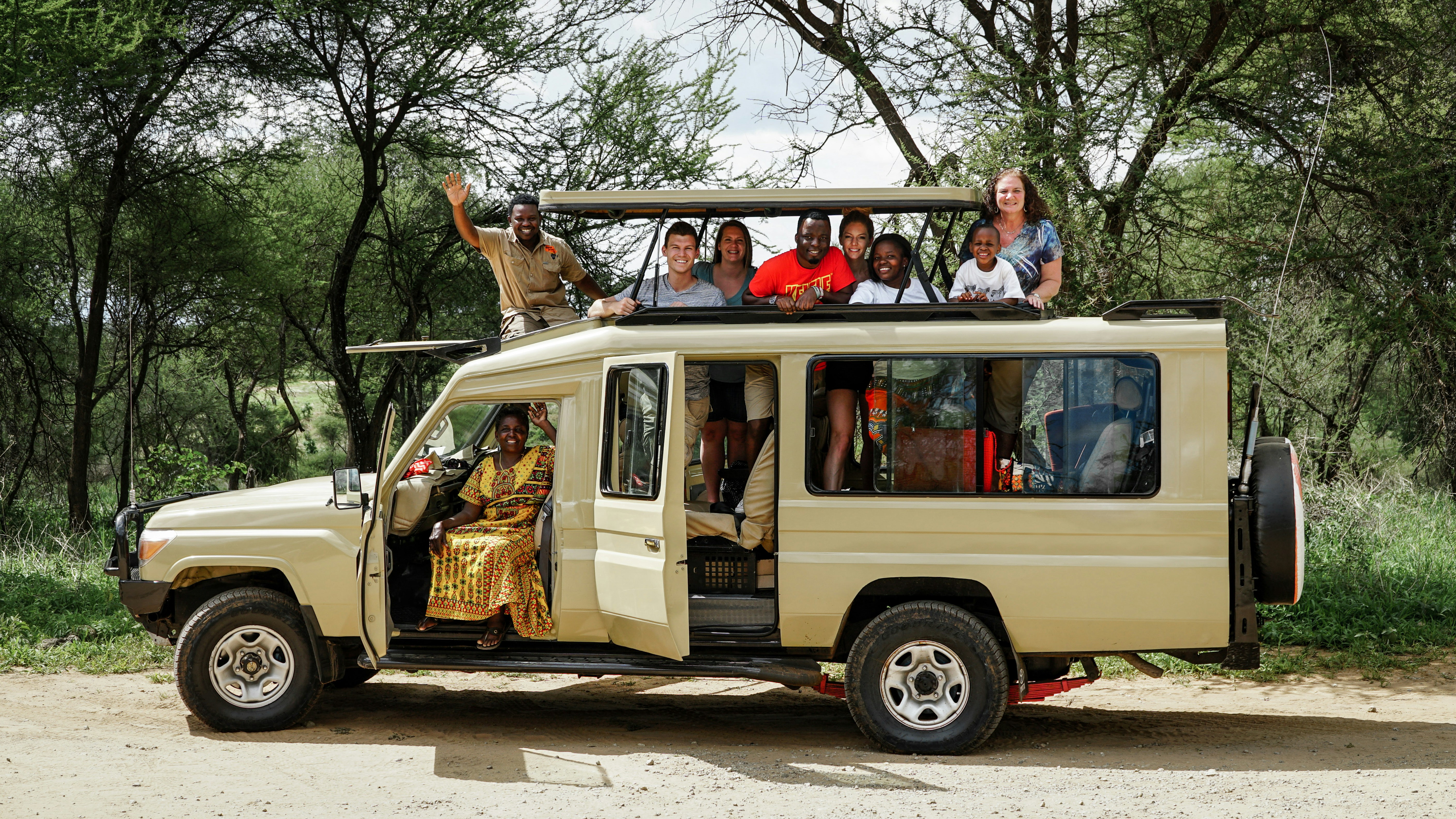
Understanding Uganda's Safari Landscape
Uganda, often referred to as the "Pearl of Africa," is renowned for its stunning landscapes and remarkable biodiversity, making it an exceptional destination for safari enthusiasts. The country's national parks and reserves offer a variety of ecosystems, from dense rainforests and savannah plains to mountainous regions and wetlands, each hosting a unique set of wildlife. Among the most prominent national parks are Queen Elizabeth National Park, Murchison Falls National Park, and Bwindi Impenetrable National Park, each providing distinct experiences for safari-goers.
Queen Elizabeth National Park is celebrated for its diverse wildlife, including the Big Five: lions, elephants, leopards, buffalo, and rhinos. Visitors can also enjoy boat cruises on the Kazinga Channel, where they may encounter hippos and an array of bird species, including the iconic shoebill stork. Murchison Falls National Park is famed for its dramatic waterfall and the chance to see a plethora of wildlife, with evening game drives offering some of the best opportunities to spot animals such as elephants and lions in their natural habitat. Meanwhile, Bwindi Impenetrable National Park is a UNESCO World Heritage Site known for its mountain gorillas, providing a once-in-a-lifetime trekking experience that attracts many travelers.
The abundance of avifauna in Uganda also deserves mention; it is home to over 1,000 species of birds, making it a birdwatcher's haven. Notable species include the African greenbuls, the giant kingfisher, and the elegant African fish eagle. When planning a safari, it is crucial to choose the right location based on specific interests, such as wildlife variation or particular species one hopes to see. For example, those focused on gorilla trekking should prioritize Bwindi. Additionally, the timing of the visit plays a significant role in the safari experience. The dry seasons, from June to August and December to February, are generally regarded as the best times for wildlife sightings, as animals are more likely to congregate around water sources.
Choosing Your Safari Type: Self-Drive vs. Guided Tours
When planning a safari in Uganda, one of the most crucial decisions is selecting the type of safari that best fits your style and preferences. The two primary options are self-drive safaris and guided tours, each offering distinct advantages and potential drawbacks. Understanding these differences can significantly enhance your experience in Uganda's remarkable wildlife and natural landscapes.
Self-drive safaris grant travelers a sense of independence and flexibility. This type of adventure allows you to create your itinerary and explore Uganda at your own pace. However, it's imperative to weigh the challenges associated with self-drive experiences, such as navigating unpaved roads, potential vehicle malfunctions, and safety concerns. Travelers contemplating this option should ensure they have access to a reliable vehicle and be aware of the road conditions, which can vary greatly throughout different national parks. Additionally, it is essential to secure the necessary permits for access to certain areas, which can involve some upfront planning.
On the other hand, guided tours offer numerous benefits, particularly for those who may be unfamiliar with Uganda's terrain or wildlife. Knowledgeable tour guides provide invaluable insights into animal behavior and local ecosystems, enriching the safari experience. They are equipped to handle logistical aspects such as park entry fees, accommodations, and daily schedules, which can alleviate stress for travelers. When opting for a guided tour, it is crucial to select a reputable tour operator. Look for operators with positive reviews and those that prioritize safety, sustainability, and ethical wildlife interactions.
Ultimately, the choice between a self-drive safari and a guided tour will depend on your individual preferences, comfort level, and budget. Both options can lead to unforgettable adventures in Uganda's stunning national parks, offering unique opportunities to enjoy the diverse wildlife and breathtaking landscapes the country has to offer.
Packing Essentials for a Safari in Uganda
When planning a safari in Uganda, it is vital to be adequately prepared with the right packing essentials to ensure a comfortable and enjoyable experience. The unique climate and diverse wildlife require thoughtful consideration of clothing, gear, and personal items.
Clothing should prioritize lightweight and breathable fabrics, which facilitate ventilation and moisture-wicking. Neutral-colored attire such as khaki, beige, or olive green is highly recommended, as it helps blend into the natural surroundings and avoids alarming wildlife. A wide-brimmed hat and UV-protection sunglasses are also essential to shield against the strong sun during daytime excursions. Additionally, a light waterproof jacket or poncho can be beneficial as weather conditions can be unpredictable.
Essential gear includes binoculars for optimal wildlife viewing and a good-quality camera with zoom capabilities to capture the magnificent scenery and its inhabitants. Many travelers also find it valuable to have a reliable flashlight or headlamp for night walks and a pair of comfortable hiking boots for traversing varied terrains. A compact and portable camping chair can provide comfort during long wait times while observing wildlife.
Moreover, a well-stocked first aid kit should not be overlooked. This kit should contain insect repellent, basic medications, and antihistamines to handle any unexpected health issues. Safari guides and printed maps can be beneficial for navigating your journey and gaining insight into the local environment and wildlife.
Packing efficiently is crucial for those traveling by small charter flights to remote areas. To maximize luggage space, consider using packing cubes to organize items and reduce bulk. Remember that luggage weight limits often apply, so selective packing of multi-functional clothing and necessary gear can make a significant difference. Prioritize the items that are essential for your experience to ensure a smooth and enjoyable safari adventure in Uganda.
Cultural Sensitivity and Responsible Tourism in Uganda
When embarking on a safari in Uganda, understanding cultural sensitivity and practicing responsible tourism are paramount. Uganda is rich in diverse ethnic groups, each with unique customs, traditions, and social norms. As travelers, it is essential to approach interactions with local communities with respect and openness, ensuring that one’s behavior aligns with local customs. For instance, when visiting villages or engaging with community members, it is advisable to dress conservatively and refrain from taking photographs without permission. This fosters mutual respect and positive interactions.
Moreover, supporting local businesses is a significant aspect of responsible tourism. Tourists should consider purchasing souvenirs directly from artisans or utilizing local guides whose livelihoods depend on tourism. This not only enriches the travel experience but also contributes to the local economy, thereby promoting sustainable development in these communities. Engaging with the traditions and customs of the region through participatory experiences, such as cooking classes or cultural performances, can enhance understanding and appreciation of Ugandan culture.
Conservation plays a critical role within the realm of responsible tourism. Tourists are urged to familiarize themselves with conservation practices during their safari to minimize their ecological footprint. This includes adhering to guidelines for wildlife encounters, such as keeping a safe and respectful distance from animals, avoiding littering, and using eco-friendly products. Ethically viewing wildlife not only protects the animals but also enhances the preservation of Uganda's natural resources for future generations.
Incorporating these practices into your safari adventure contributes significantly to the well-being of local communities and the environment. Responsible tourism, rooted in cultural sensitivity, enhances the overall travel experience, making your safari not just a personal journey but a step towards a sustainable future for Uganda and its people.