
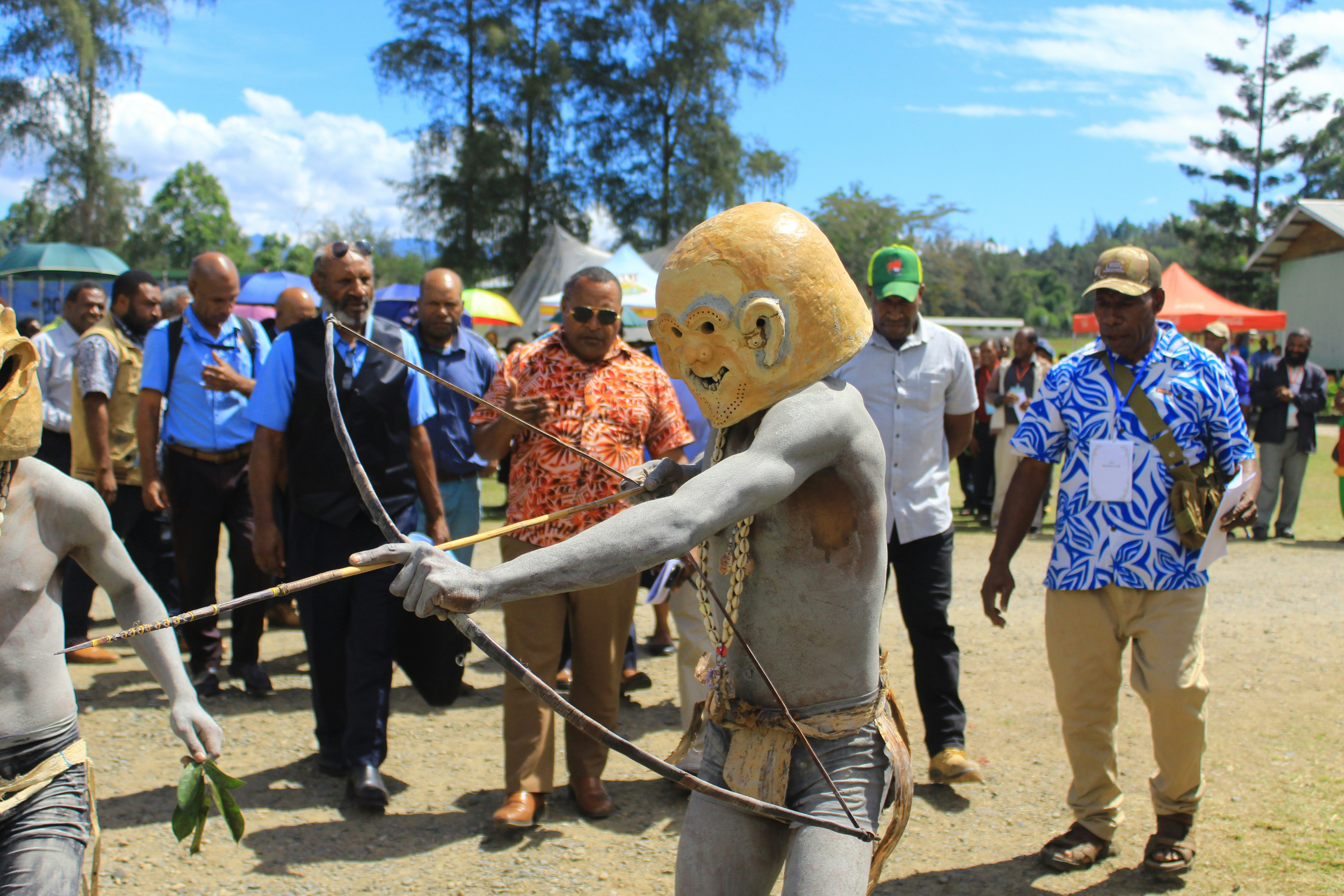
Overview of Uganda's Tribal Diversity
Uganda is home to a remarkable array of tribes, each contributing to the nation's rich cultural landscape. Officially, Uganda recognizes over 50 distinct ethnic groups, which can be broadly categorized into several major tribes, including the Baganda, Basoga, Bakiga, Banyankole, and Bakonjo, among others. These tribes exhibit significant diversity in languages, customs, and social structures, reflecting the multifaceted nature of Ugandan identity.
The Baganda, one of the largest ethnic groups, predominantly reside in the central region of Uganda, particularly around Lake Victoria. Their language, Luganda, serves as a lingua franca in many urban areas, facilitating communication across different ethnicities. The Basoga, primarily located in the eastern part of the country, share cultural similarities with the Baganda yet maintain unique traditions, such as their distinctive music and dance forms.
In the southwestern region, the Bakiga and Banyankole tribes play a pivotal role in the cultural fabric of Uganda. The Bakiga are known for their agricultural practices, particularly in cultivating crops like coffee and bananas, while the Banyankole are renowned for their cattle-keeping traditions, which are integral to their social identity. The Bakonjo, residing near the Rwenzori Mountains, showcase a different cultural heritage, with unique societal structures and traditional practices tied closely to their mountainous environment.
Geographically, Uganda's tribes are not only demarcated by their settlements but also by distinct cultural zones that influence their livelihoods, clothing, language, and social interactions. This tribal diversity is a critical aspect of Uganda's cultural heritage, underscoring the interplay between ethnicity and national identity. Understanding these tribal dynamics is essential for comprehending the complexities that strengthen Uganda's cultural tapestry, as each group adds to the narrative of this diverse nation.
Cultural Practices and Traditions of Uganda's Tribes
Uganda is home to a diverse array of tribes, each with unique cultural practices and traditions that contribute significantly to the nation's rich cultural heritage. These tribal identities are often defined by a tapestry of rituals, ceremonies, music, dance, art, and culinary traditions, all of which serve to foster community bonding and preserve historical narratives. Each tribe's practices reflect their societal values, beliefs, and the environment in which they live, illustrating the profound connection between culture and identity.
Rituals and ceremonies are pivotal in Ugandan tribal life, often marking significant life events such as birth, marriage, and death. For instance, the Baganda tribe celebrates the 'Kwanjula' or marriage ceremony with intricate rituals that emphasize respect, unity, and familial ties. In contrast, the Basoga tribe holds the 'Ekitangaala,' a ceremonial ordination that draws the community together in a display of cultural continuity and respect for tradition.
Music and dance are integral to the cultural expressions of Uganda's tribes. Traditional music, characterized by the use of local instruments like the 'Amatimba' and 'Emiziro,' often accompanies community gatherings, celebrations, and religious ceremonies. For example, the Bakiga tribe's 'Ekitagururo' dance is performed during harvest seasons, reflecting gratitude and the importance of agricultural wealth. These performances are not only entertaining; they serve as a means of transmitting stories and history from one generation to the next.
Artistic expression is evident in pottery, weaving, and beadwork, with each tribe showcasing their craftsmanship and creativity. The Nilotic ethnic groups, such as the Karamojong, are known for their intricate bead necklaces that tell stories of personal and tribal significance. Furthermore, Ugandan cuisine is a vibrant tapestry of flavors, with each tribe boasting unique recipes that speak volumes about their cultural heritage and local resources.
Ultimately, the cultural practices and traditions of Uganda's tribes are not merely relics of the past but living elements of community identity and social cohesion. They foster a sense of belonging while allowing tribes to communicate their histories and values, ensuring the continuance of Uganda's diverse cultural landscape.
The Role of Tribal Identity in Modern Uganda
Tribal identity remains a prominent aspect of life in contemporary Uganda, deeply rooted in the nation's history and cultural framework. Uganda is home to over 50 distinct tribes, each with its own unique customs, languages, and traditions. In modern Ugandan society, tribal affiliations significantly influence various social, political, and economic dynamics. The importance of belonging to a particular tribe often informs individual and group identities, shaping interpersonal relationships and community interactions.
While tribal identity fosters a sense of belonging and cultural pride, it can also lead to challenges, such as social fragmentation and political divisions. Political parties in Uganda frequently align themselves along tribal lines, which can exacerbate tensions among different groups. These divisions often hinder national unity and can lead to conflicts during election periods or resource allocation. The political landscape in Uganda thus requires addressing tribal affiliations to ensure equitable representation and cohesion among the diverse populace.
On an economic level, tribal identity plays a critical role in access to resources and opportunities. Individuals may find economic advantages within their communities through networks that prioritize tribal loyalty. However, this can also lead to exclusion and marginalization for those outside a particular tribe. Efforts to mitigate these disparities include promoting inclusivity and encouraging collaboration among different groups. Educational initiatives, for example, aim at fostering understanding and respect for all tribes, emphasizing the importance of a shared national identity amidst diversity.
Moreover, as globalization and urbanization continue to reshape Ugandan society, the preservation of tribal customs and practices has become increasingly vital. Many tribal leaders and community members are actively working to safeguard their cultural heritage, implementing programs to promote traditional practices while navigating modern influences. The balance between maintaining tribal identity and adapting to contemporary life is critical in fostering a cohesive society that respects its rich tapestry of cultural diversity.
Preservation of Cultural Heritage and Future Prospects
Uganda's rich cultural heritage, characterized by a myriad of tribal customs and traditions, faces numerous challenges in the contemporary world. The preservation of this heritage is crucial, not only for the identity of the tribal groups but also for the national identity of Uganda as a whole. Various initiatives by local communities, non-governmental organizations (NGOs), and the government aim to safeguard the intangible cultural assets that define Uganda's tribes.
Local communities play a vital role in the preservation of their traditions. By transferring knowledge through storytelling, ritual performances, and communal gatherings, they ensure that younger generations remain connected to their roots. Many tribes have established cultural centers and festivals that showcase their unique practices, music, and art forms, creating spaces for cultural exchange and learning.
NGOs have also been instrumental in these preservation efforts. They often provide resources and training to help communities document their cultural practices, ensuring that vital aspects are not lost to the influences of globalization. Programs focused on sustainable tourism promote cultural appreciation among visitors while generating income that can be reinvested into cultural initiatives.
The government of Uganda has recognized the importance of cultural heritage and has taken steps to promote it through various policies. Legislation aimed at protecting indigenous knowledge and practices is critical as it fosters an environment conducive to the growth of tribal identities in a modern context.
Looking ahead, the future of Uganda's tribal cultures appears promising as they continue to adapt to changes while striving to maintain their unique identities. By embracing innovation and technology, tribes can harness new means of sharing their heritage with the world. Engaging with these cultural narratives will not only foster appreciation among locals and visitors alike but also ensure the vibrancy of Uganda's diverse tribal traditions for generations to come.