
The Rich Biodiversity of Uganda
Uganda, often referred to as the "Pearl of Africa," is renowned for its remarkable biodiversity, encompassing a wide variety of flora and fauna. The country is home to over 1,000 species of birds, approximately 400 species of mammals, and an impressive array of reptiles, amphibians, and insects. This rich tapestry of life is primarily concentrated within national parks and protected areas, where the unique ecosystems support a plethora of endemic species, some of which are found nowhere else in the world.
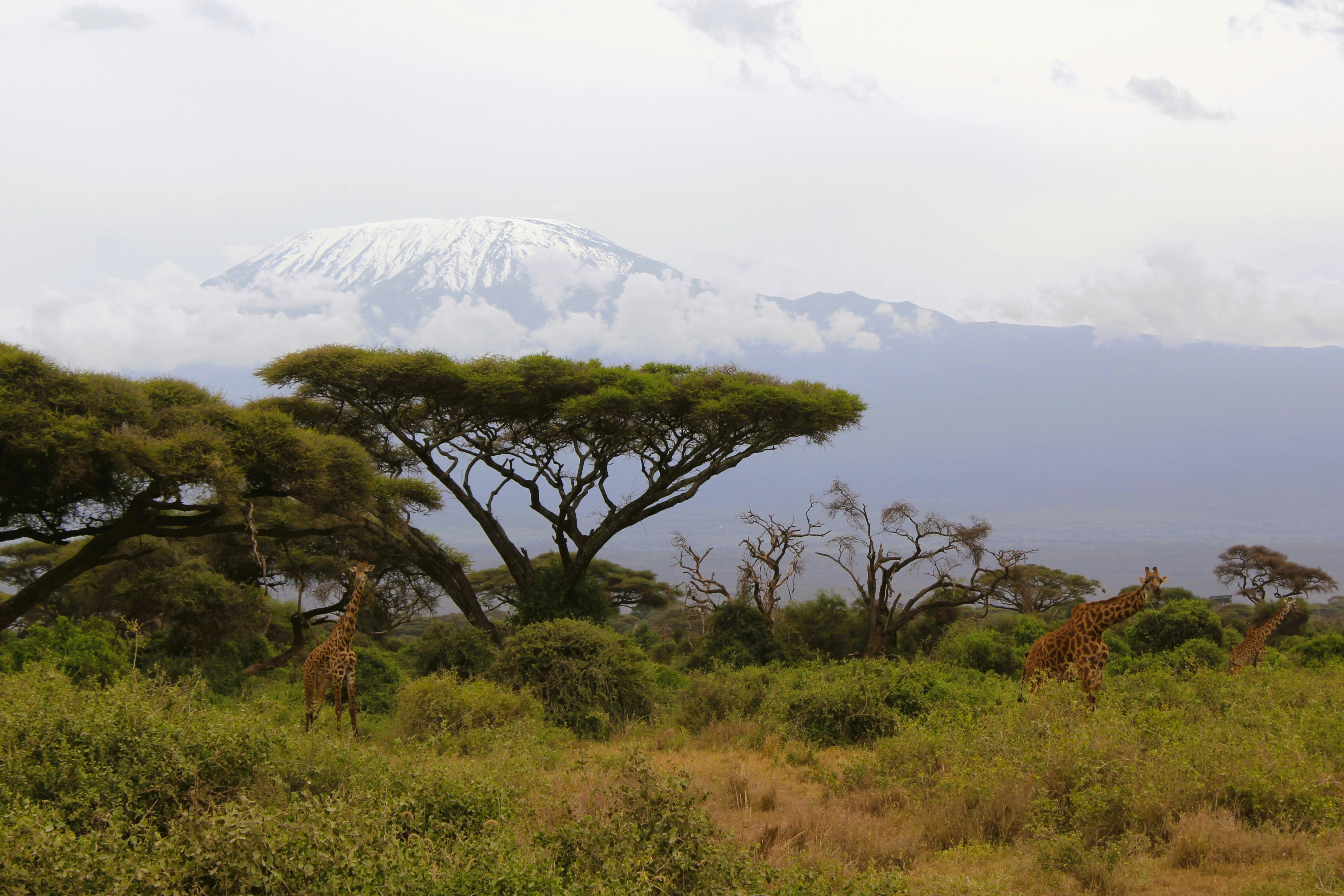
The diversity of wildlife in Uganda plays a crucial role in the ecological balance of its ecosystems. For instance, the existence of large herbivores, such as giraffes and elephants, helps maintain plant diversity by influencing vegetation structure through grazing and browsing. Meanwhile, carnivores, including lions and leopards, regulate the populations of herbivores, ensuring that no single species dominates the habitat. This interconnected web of life highlights the importance of preserving not only individual species but also the intricate relationships that sustain the environment.
Among the remarkable species indigenous to Uganda are the mountain gorillas, which inhabit the forests of Bwindi Impenetrable National Park and Mgahinga Gorilla National Park. With fewer than 1,000 individuals remaining in the wild, these magnificent primates are critically endangered and serve as a poignant reminder of the fragility of biodiversity. Additionally, other unique species such as the Shoebill stork and the Uganda mangabey further exemplify the country’s exceptional wildlife diversity.
Protecting Uganda's biodiversity is paramount for the health of ecosystems as well as for the livelihoods of local communities. Sustainable wildlife conservation practices can provide economic benefits through ecotourism, which not only supports wildlife preservation efforts but also enhances local economies. Ensuring that Uganda's natural heritage remains intact is vital for future generations, both for the intrinsic value of its wildlife and for the benefits it offers to humanity.
Threats to Wildlife in Uganda
Uganda is home to a remarkable diversity of wildlife, yet this heritage is increasingly threatened by various factors that compromise both the immediate well-being of its flora and fauna and the broader ecological balance. One of the most significant threats is habitat loss, primarily driven by agricultural expansion. As farming practices extend into previously untouched areas, critical habitats are destroyed or fragmented. This not only affects the animals that depend on these habitats for survival but also disrupts the intricate relationships within ecosystems, leading to declines in species populations and even extinction in some cases.
Another pressing threat facing Uganda's wildlife is poaching, a practice that targets many species for their valuable parts, such as ivory, horns, and skins. Poaching undermines conservation efforts and biodiversity, often leaving a trail of destruction. The demand for wildlife products, both locally and internationally, fuels this illegal activity, making it crucial to strengthen enforcement and implement community-based conservation initiatives that engage local populations in protecting their natural resources.
Climate change adds another layer of complexity to the threats facing Uganda's wildlife. Rising temperatures and shifting weather patterns can alter habitats, affecting food and water availability for various species. For example, certain plants may struggle to adapt to the changing climate, impacting the species that rely on them for sustenance. Additionally, extreme weather events, such as droughts and floods, can significantly influence the ecological patterns that support wildlife and their habitats, further exacerbating their vulnerabilities.
Addressing these threats is imperative for preserving Uganda's rich biodiversity and maintaining ecological stability. Comprehensive strategies that encompass habitat preservation, anti-poaching efforts, and climate resilience are essential for safeguarding the wildlife heritage that many Ugandans rely on for their cultural and economic well-being. The urgency of reinforcing conservation measures cannot be overstated, as the window for action narrows with the increasing pressure on wildlife resources.
Conservation Efforts in Uganda's National Parks
Uganda is home to some of the most diverse ecosystems in Africa, which are vital for preserving the country's biodiversity and providing essential services to local communities. The conservation efforts in Uganda's national parks are a collaborative endeavor involving various governmental and non-governmental organizations dedicated to protecting and promoting wildlife conservation. These initiatives seek to restore habitats, prevent poaching, and engage local communities in sustainable practices.
The Uganda Wildlife Authority (UWA) plays a pivotal role in managing national parks, safeguarding wildlife populations, and implementing strict anti-poaching measures. Through various programs, UWA has been effective in curbing illegal activities that threaten wildlife, such as poaching and illegal logging. Additionally, the agency has partnered with international conservation organizations, such as the World Wildlife Fund (WWF) and African Wildlife Foundation (AWF), to bolster conservation efforts. These partnerships often provide critical funding and resources for habitat restoration, security, and community outreach initiatives.
A notable success story within Uganda's conservation landscape is the increase in the mountain gorilla population, primarily due to concerted efforts in Bwindi Impenetrable National Park and Mgahinga Gorilla National Park. Intensive monitoring and protection measures, along with eco-tourism initiatives, have allowed these endangered species to thrive. Moreover, community-based conservation projects engage local populations in protecting these iconic creatures, ensuring that they benefit economically from wildlife tourism while fostering a sense of stewardship for their environment.
Despite these successes, ongoing challenges remain in the realm of wildlife conservation. Habitat destruction, driven by agricultural expansion and human settlement, continues to threaten various wildlife species. Additionally, climate change poses significant risks to Uganda's natural resources, further complicating conservation strategies. By addressing these challenges and strengthening the collaboration between different stakeholders, Uganda can continue its vital journey towards effective wildlife conservation in its national parks.
The Importance of Conservation for Local Communities
Wildlife conservation in Uganda plays a crucial role in supporting the well-being of local communities, transcending mere environmental objectives to encompass socio-economic benefits. One of the most significant impacts of conservation efforts is the promotion of ecotourism, which serves as a vital source of income for many rural areas. Uganda's diverse ecosystems, including national parks and protected areas, attract tourists from around the globe, creating lucrative opportunities for local entrepreneurs and businesses. This influx of visitors not only boosts local economies but also incentivizes the protection of wildlife habitats, as communities recognize the value of their natural resources.
Furthermore, wildlife conservation initiatives often generate employment opportunities for community members, ranging from tour guides and park rangers to hospitality staff and artisans. By creating jobs, conservation programs not only alleviate poverty but also foster a sense of pride and ownership among the local populace. This job creation often leads to improved living standards, increased investment in education, and enhanced health services, thus contributing to the overall development of these communities.
In addition to economic benefits, community involvement is integral to the success of conservation strategies in Uganda. Empowering local populations to participate in wildlife protection efforts cultivates a culture of stewardship and respect for the environment. When people feel valued and included in decision-making processes regarding their natural heritage, they are more likely to engage in protective measures and sustainable practices. This collaborative approach bolsters the effectiveness of conservation programs by ensuring that the perspectives and needs of the community are respected and addressed, leading to more sustainable wildlife management outcomes.
Ultimately, the intersection of wildlife conservation and community development demonstrates that protecting the environment is not solely an ecological endeavor; it is also a pathway to enhancing the quality of life for those who depend on these resources. By prioritizing both conservation and community empowerment, Uganda can forge a harmonious relationship between its rich biodiversity and its local populations, ensuring that both thrive for future generations.