
Introduction to Uganda's Culinary Heritage
Uganda boasts a rich culinary heritage that reflects its diverse cultural landscape and geographical factors. Situated on the equator in East Africa, Uganda's climate is conducive to growing a variety of crops, which significantly influences its food culture. The fertile highlands and expansive wetlands provide ample opportunities for agriculture, allowing for the cultivation of staples such as matoke (green bananas), cassava, millet, and sorghum. These locally sourced ingredients form the backbone of many traditional dishes, showcasing the nation's agricultural bounty and the importance of fresh produce in Ugandan cuisine.
The influence of various ethnic groups, including the Baganda, Basoga, and Bakiga, contributes to the diversity of flavors and culinary techniques found in Uganda. This multicultural backdrop has led to a unique fusion of cooking styles, where each community adds its touch to shared ingredients. Traditional cooking methods, such as steaming, boiling, and roasting over open flames, provide an authentic taste that connects Ugandans with their heritage. Meals are often prepared with a focus on community, where families and friends gather to share food, reinforcing social bonds and cultural identity.
Food plays an integral role in Ugandan culture, transcending mere sustenance to become a celebration of life and tradition. Communal eating practices are common, emphasizing togetherness and hospitality. Traditional dishes are prepared for various occasions, from daily meals to significant ceremonies such as weddings and cultural festivities. Celebrating with food not only highlights the flavors of Uganda but also embodies the significance of sharing in its cultural practices. Such aspects of Ugandan culinary heritage not only reflect historical influences but also contribute to the ongoing narrative of the nation’s identity through its cuisine.
Must-Try Ugandan Dishes
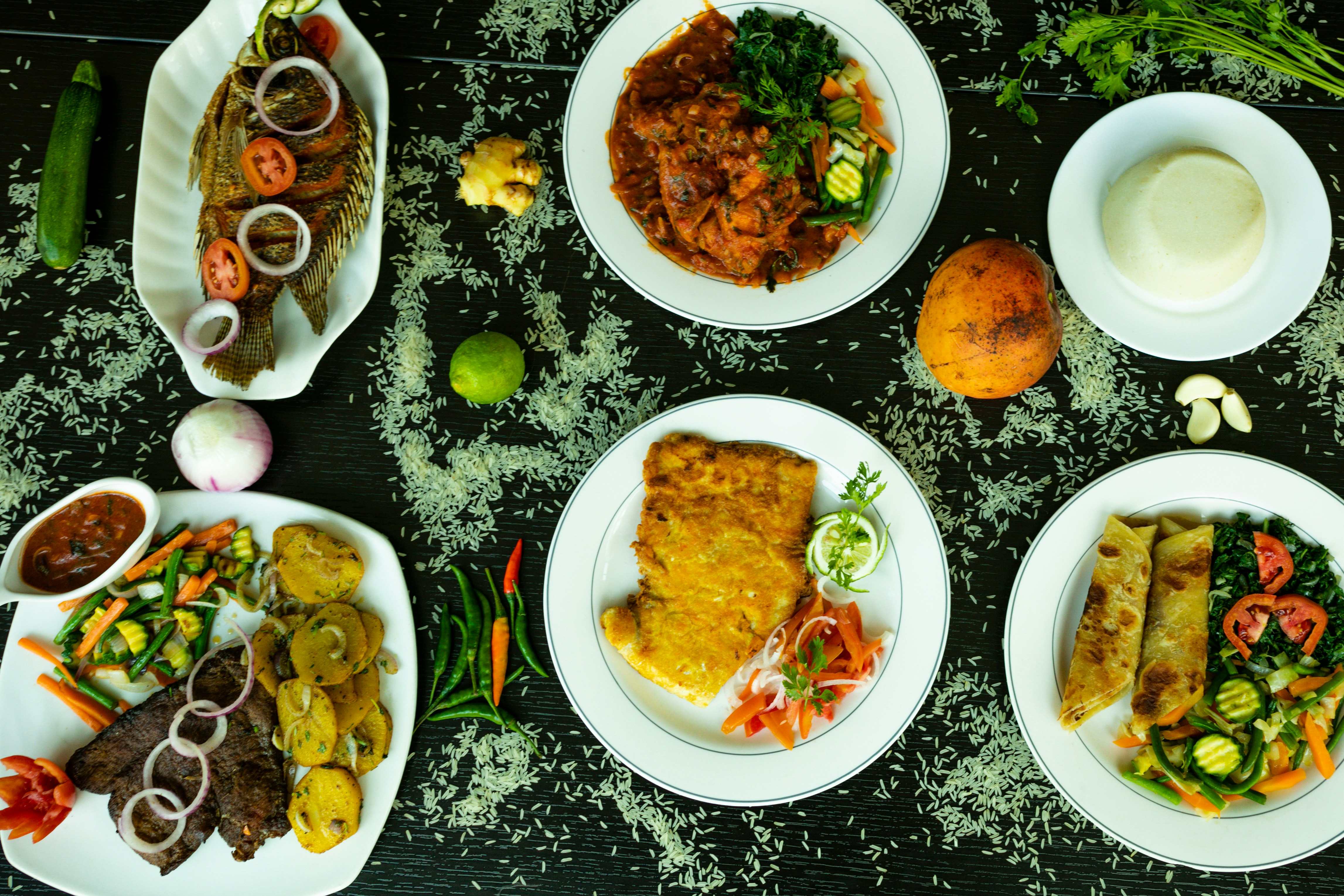
Ugandan cuisine showcases a rich blend of flavors and ingredients, reflecting the nation's diverse cultures and traditions. Some of the must-try dishes include Matoke, Luwombo, Rolex, and Posho, each offering a unique taste of Uganda’s culinary heritage.
Matoke, also known as green bananas, is a staple food in Uganda, particularly among the Baganda ethnic group. The preparation involves steaming or cooking the bananas before mashing them into a soft, flavorful dish. Matoke is often served with a sauce that can be made from groundnuts, vegetables, or meat, making it a versatile accompaniment to many meals.
Luwombo is a celebrated Ugandan stew traditionally prepared with meat, vegetables, and groundnut sauce, all slow-cooked in a pot. Its origins trace back to the Buganda Kingdom, where it was often enjoyed at royal feasts. This dish is commonly made with chicken or beef, and the distinct addition of peanut sauce lends it an exquisite flavor profile. Luwombo epitomizes comfort food in Uganda, often served with rice or posho.
Another popular dish is the Rolex, a delightful street food creation that combines an egg omelet rolled into a flatbread called chapati. The Rolex is typically filled with vegetables such as cabbage and onions, creating a savory, convenient treat for those on the go. Found in urban areas, it is a favored choice among locals and visitors alike.
Lastly, Posho, or Ugali, is a type of maize porridge often served as a side dish. It is made by mixing maize flour with water, resulting in a dense, starchy staple that complements many Ugandan dishes. In rural regions, Posho is a dietary foundation, showcasing the agricultural richness of the country.
To fully experience Ugandan cuisine, visitors should seek out local markets and eateries in Kampala and beyond, where these dishes are widely available, providing a genuine taste of Uganda’s culinary delights.
Traditional Cooking Techniques and Ingredients
Ugandan cuisine is distinguished by its traditional cooking techniques that reflect the cultural heritage and agricultural practices of the region. These methods, which include steaming, frying, and roasting, play a vital role in shaping the unique flavors and textures that characterize Ugandan dishes. One of the most common cooking techniques is steaming, often used for maize and plantains. This method preserves the natural flavors and nutrients of the food, resulting in tender and wholesome meals. Frying, on the other hand, is frequently utilized for cooking meats and fish, enhancing their taste with a crispy texture that is inviting and satisfying. Roasting is also popular, especially for vegetables, which gain a rich depth of flavor when cooked over an open flame or in an oven.
The key ingredients of Ugandan cuisine are diverse and abundant, with staple foods such as cassava, beans, groundnuts, and a variety of vegetables playing a significant role in daily meals. Cassava is a major carbohydrate source, known for its versatility and ability to thrive in Uganda's climate. Similarly, beans are not only a vital protein source but also offer a range of flavors and textures, making them a mainstay in many dishes. Groundnuts, commonly used in sauces, provide essential fats and a delicious nutty flavor, while numerous vegetables, including tomatoes, onions, and spinach, add freshness and nutritional value to meals.
Local markets are essential for procuring fresh, locally-sourced ingredients that enhance the quality of Ugandan cuisine. These markets brim with vibrant produce, allowing cooks to select the best seasonal ingredients available. The focus on fresh ingredients not only contributes to the nutritional value of the dishes but also supports local farmers and promotes sustainable agricultural practices. Overall, the combination of traditional cooking techniques and high-quality ingredients ensures that Ugandan cuisine remains rich in flavor and cultural significance, offering a delightful experience for food enthusiasts and devotees alike.
Food and Culture: Eating Etiquette and Food Festivals
In Uganda, food holds immense cultural significance that extends beyond mere sustenance. It plays a vital role in various social and ceremonial contexts, reflecting the values and traditions of the communities. One of the most prominent aspects of Ugandan dining culture is the communal nature of meals. Sharing dishes with family and friends is a common practice, often symbolizing unity and togetherness. It is not unusual for people to gather around a communal plate, engaging in lively conversations while enjoying a variety of dishes, ranging from the staple matoke (steamed green bananas) to rich stews and sauces.
Etiquette surrounding meals in Uganda is characterized by respect and appreciation for the food and the cook. Guests are often encouraged to acknowledge the effort that goes into preparing the meal, and it is polite to express gratitude before and after eating. Furthermore, traditional customs may vary between different ethnic groups, influencing dining practices, including the use of traditional utensils and the seating arrangements at the dinner table.
Food festivals are integral to Ugandan culture, showcasing the country’s diverse culinary landscape while celebrating local ingredients and techniques. One such notable event is the Entebbe Food Festival, which attracts food enthusiasts from all over the country and beyond. This festival provides a platform for showcasing traditional dishes and innovative culinary creations, helping promote Ugandan cuisine on a broader scale. During these festivals, visitors can enjoy live cooking demonstrations, local music, and cultural performances, which enrich the experience of food appreciation.
Anecdotes of traditional ceremonies often highlight the centrality of food in fostering community bonds. Weddings, funerals, and rituals typically include elaborate feasts, bringing people together to share in the joy or sorrow of the occasion. Thus, food not only nourishes the body but also strengthens cultural identity and community ties, creating lasting memories that resonate throughout generations.